
African elephants are iconic and intelligent creatures that symbolize the beauty and complexity of wildlife. As keystone species, they play a crucial role in maintaining the ecosystems they inhabit, from creating water holes that benefit other wildlife to dispersing seeds that promote forest regeneration. Unfortunately, the current status of African elephants is alarming, with populations facing severe threats from poaching, habitat loss, and climate change. This article will delve into their population status, the challenges they face, and the hopes brought about by successful conservation efforts.
Population Status
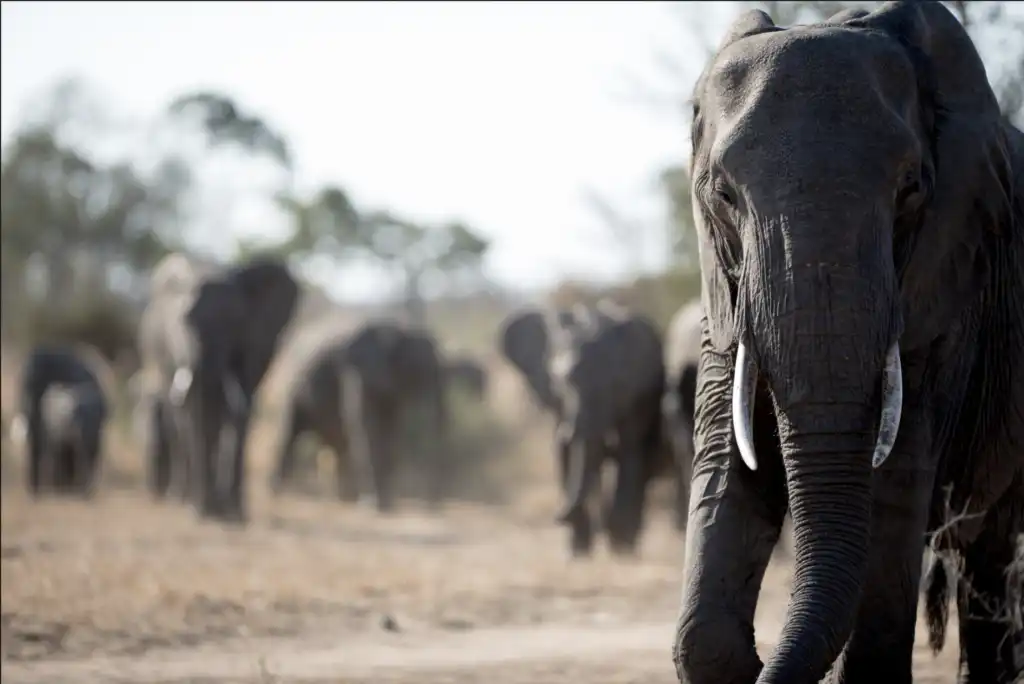
Currently, it is estimated that there are about 415,000 African elephants remaining in the wild, a stark decline from approximately 600,000 in 2007. This decline highlights the urgent need for conservation efforts. The two main species of African elephants are:
- Savanna elephants (Loxodonta africana) : Approximately 350,000 remain, classified as Endangered.
- Forest elephants (Loxodonta cyclotis) : Roughly 65,000 remain, designated as Critically Endangered.
Key locations for these populations include Botswana, which is home to 38% of the savanna elephant population, and Gabon, where 60-70% of the forest elephants reside. These statistics illustrate both the scale of the problem and the critical areas for conservation focus.
The Threat of Poaching
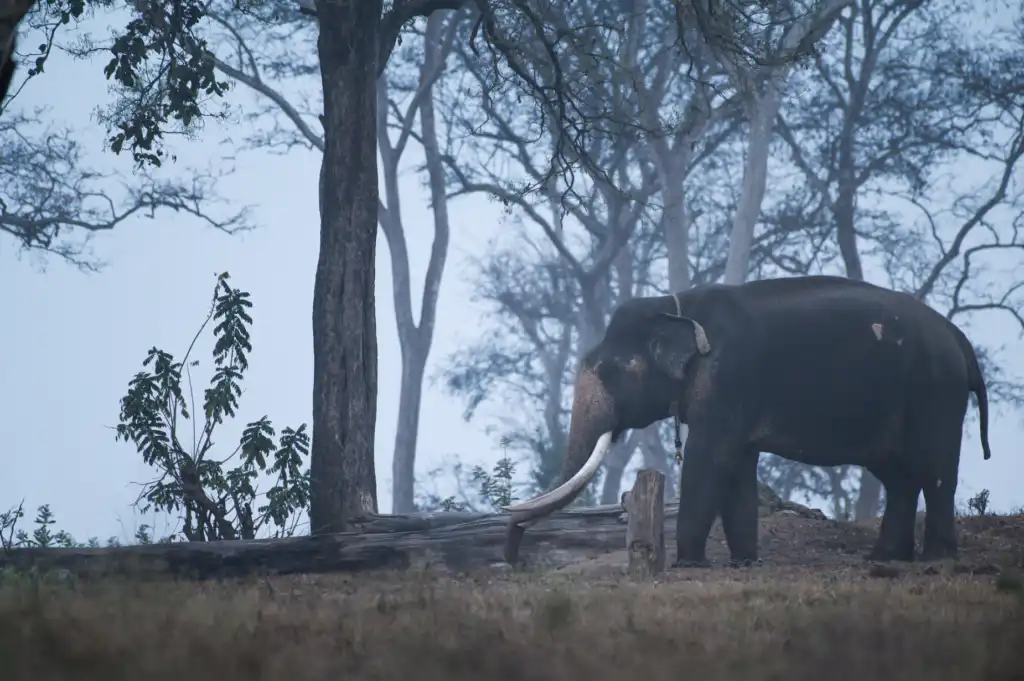
Poaching remains one of the most significant threats to African elephants. An estimated 20,000 to 25,000 elephants are killed annually, primarily for their ivory. The illegal ivory trade, valued at $597 million, fuels this devastating practice. Individual stories of elephants, such as the heart-wrenching tale of a matriarch shot for her tusks, illustrate the personal cost of poaching. Conservation organizations emphasize that addressing poaching is vital not just for saving elephants but for stabilizing the ecosystems they support.
Habitat Loss and Fragmentation
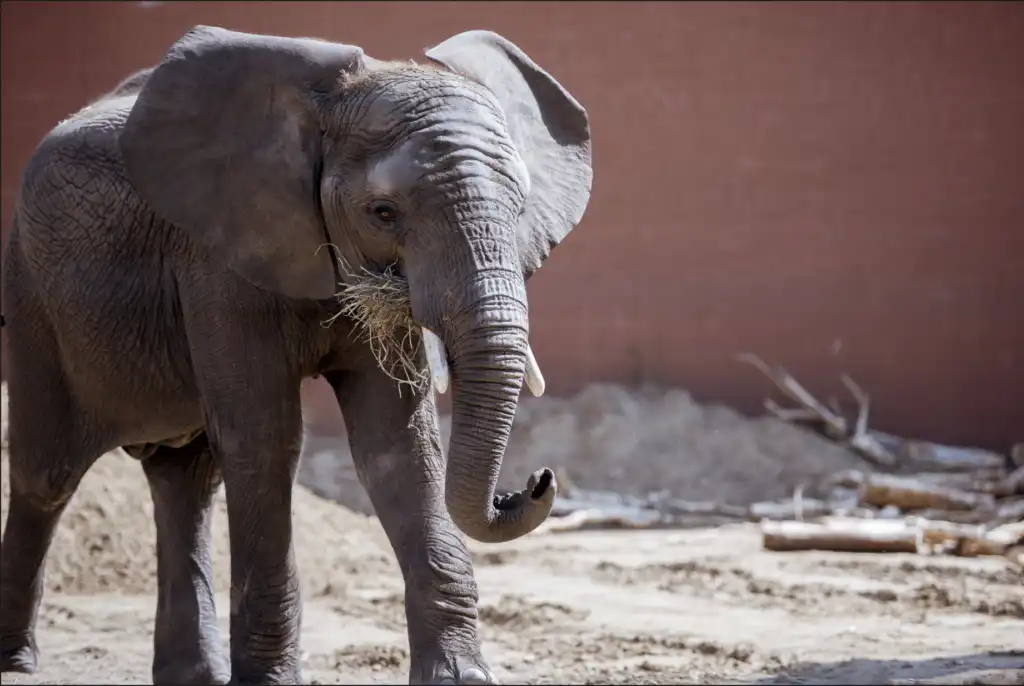
Habitat loss is a catastrophic issue, with 64% of the historical range of elephants lost due to human activities. Major causes include:
- Agriculture: Expanding farmland encroaches on elephant habitats.
- Deforestation: Timber extraction and illegal logging disrupt ecosystems.
- Infrastructure Development: Roads and buildings fragment migration routes.
Visual representations of habitat fragmentation highlight how these changes hinder elephants’ natural movements and breeding patterns. Fun fact: Elephants are known as “ecosystem engineers” because they create and maintain their habitats, benefiting countless other species.
Human-Wildlife Conflict
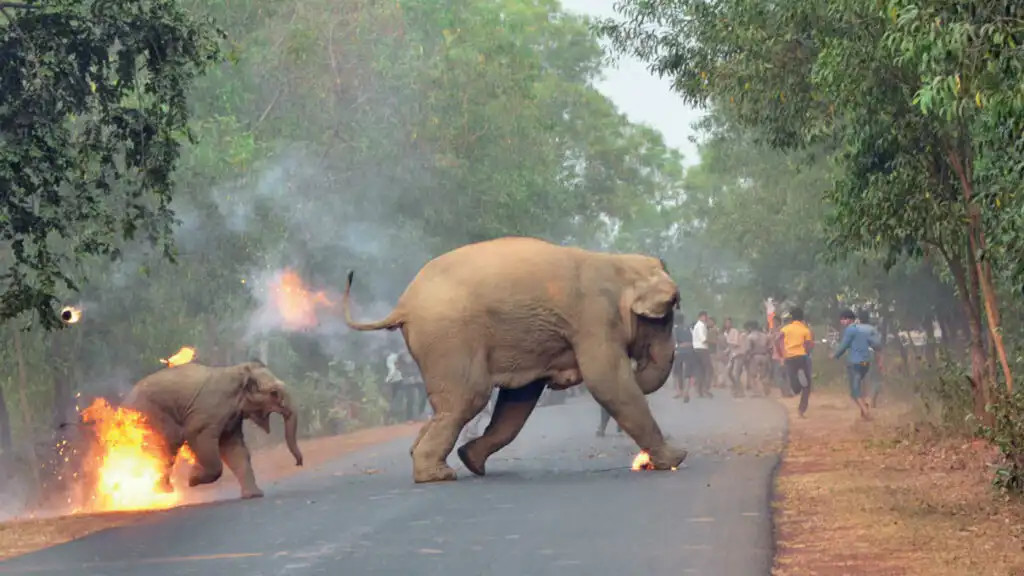
Human-elephant conflict (HEC) is a growing concern, with both humans and elephants facing risks. More elephants are being killed as they encroach on agricultural land for food, and, unfortunately, the same goes for local communities who may suffer crop damage or even physical harm. Statistics show a grim reality with numerous documented deaths on both sides. Innovative solutions, such as electric fencing and chili fences, are being implemented in various regions to mitigate these conflicts. Anecdotes from local communities illustrate how they are learning to coexist with elephants by adapting their farming practices and employing new strategies.
Climate Change and Its Effects
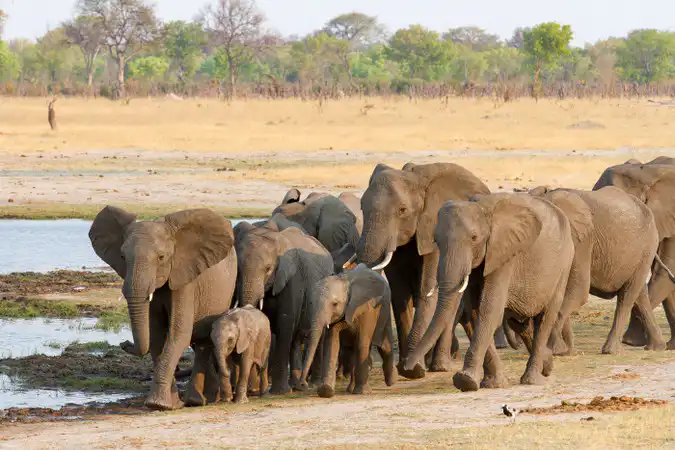
Like many other species, elephants are not immune to the impacts of climate change. Changes in rainfall patterns and increasing instances of drought significantly affect their habitats. As water availability decreases, elephants are forced to travel further in search of sustenance, altering their behavior and migration patterns. Fun fact: Elephants have displayed remarkable adaptability to changing environments, often using their advanced social structures to work together in finding resources.
Success Stories in Conservation
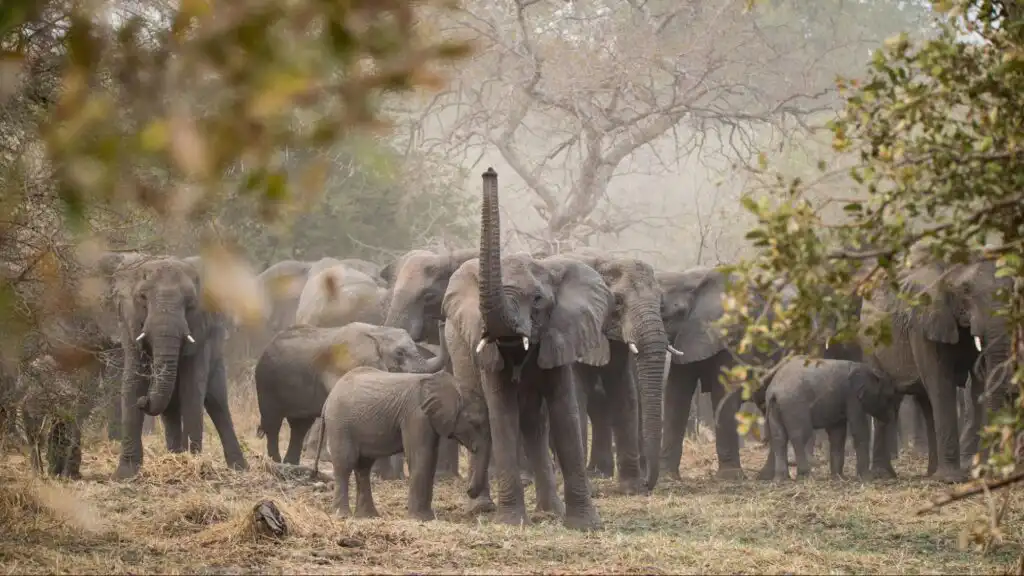
Despite the dire circumstances, there are glimmers of hope in the realm of conservation:
- Zakouma National Park, Chad: This park has seen a remarkable recovery story, witnessing a rise in elephant populations from 450 to 1,023 due to community involvement and anti-poaching efforts. There has been zero poaching since 2018, reflecting the effectiveness of community-driven initiatives and sustainable tourism.
- Reteti Elephant Sanctuary, Kenya: This sanctuary employs a community-driven conservation model, rescuing and rewilding orphaned elephants. Notably, women are playing a vital role in these efforts, changing the dynamics of conservation in Kenya.
The Role of Technology in Conservation
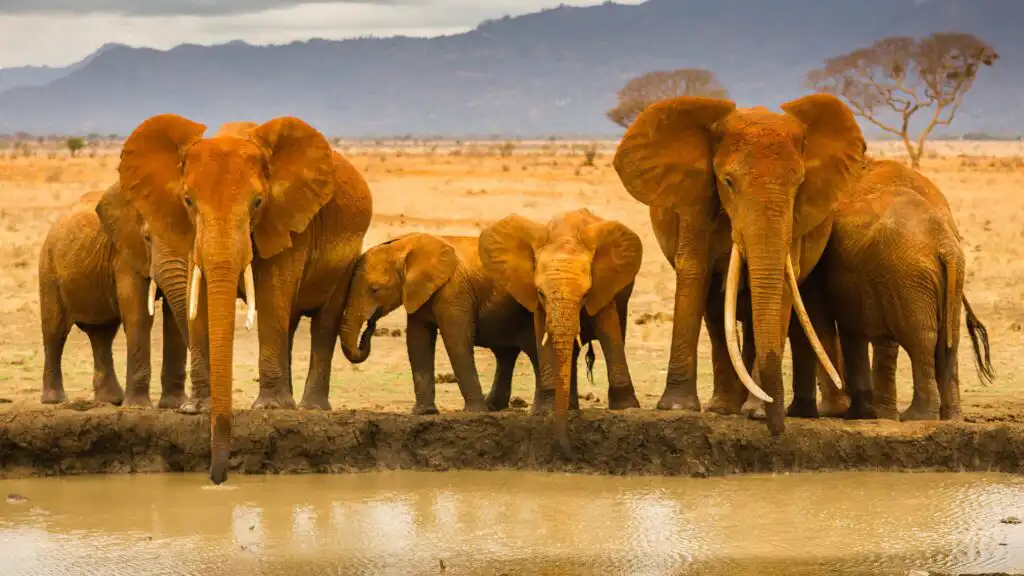
Technological innovations are revolutionizing conservation strategies. Tools like EarthRanger, artificial intelligence, and acoustic sensors are being utilized to monitor elephant populations and protect them from threats. Fun fact: Satellite imagery is increasingly employed to prevent illegal logging, creating a more effective approach to safeguarding habitats.
The Funding Challenge
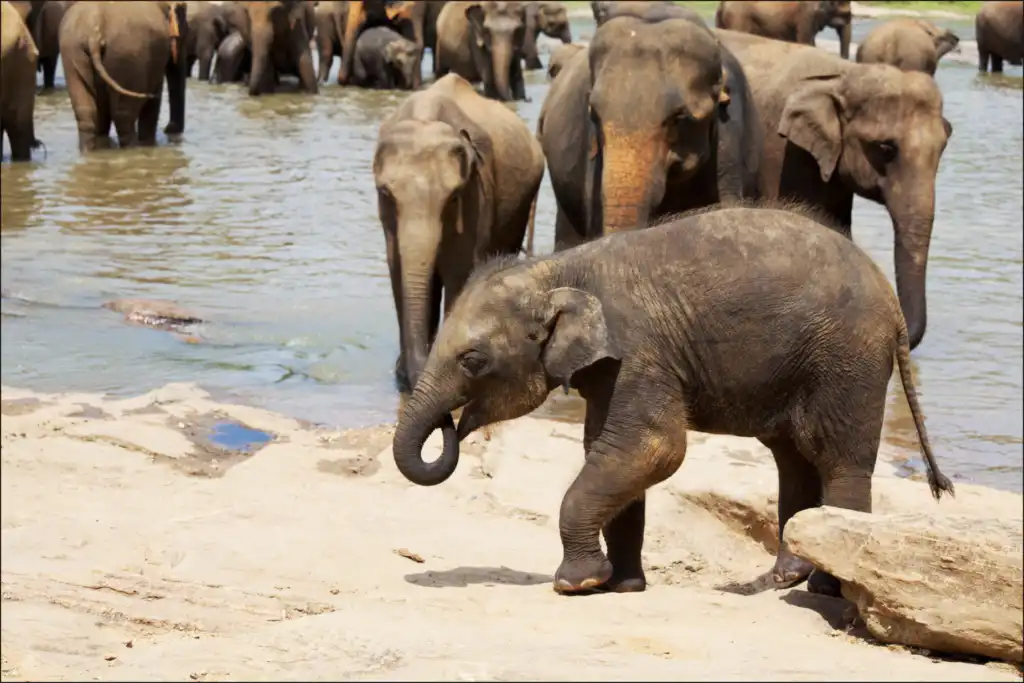
Conservation funding remains a significant hurdle, with an estimated $1.2 billion required annually to protect African elephants. Unfortunately, there exists a considerable funding gap that jeopardizes ongoing and future conservation efforts. Highlighting community-based conservation programs is essential as they demonstrate sustainable solutions, fostering local stewardship.
Conclusion
Protecting African elephants is crucial not only for biodiversity but also for the health of ecosystems and communities that rely on these magnificent animals. Initiatives like Samui Elephant Heaven, an elephant sanctuary in Thailand, play a vital role in conservation efforts by providing a safe haven for elephants while promoting awareness about their protection. As individuals, we can contribute to their conservation by supporting organizations, raising awareness, and promoting eco-friendly practices. Let us appreciate and learn more about these remarkable creatures, advocating for their survival and the health of the ecosystems they help sustain. Together, through initiatives like Samui Elephant Heaven, we can ensure a sustainable future for elephants both in Africa and globally.
