
Elephants hold a unique place in human imagination. Their intelligence, social bonds, and gentle presence draw travelers from around the world. Yet behind the polished brochures and smiling photographs lies a darker reality. Many so-called “elephant experiences” hide immense suffering, particularly those involving rides and tourist bathing sessions. Understanding why these practices harm elephants is the first step toward reshaping tourism into something that respects their dignity.
The Hidden Cost of Elephant Rides
The training process that makes elephants submit to carrying people does not involve gentle persuasion. It involves domination. From a young age, elephants are separated from their mothers, confined, and subjected to techniques designed to crush their independence. Trainers often rely on bullhooks, ropes, and physical punishment. The result is an animal stripped of autonomy, conditioned to obey out of fear rather than trust.
Once in the tourist circuit, elephants endure long hours of carrying heavy saddles and passengers. Their spines are not built to support this weight, leading to chronic injuries and lasting pain. Tourists may view it as a short ride, but for the elephant it is a daily grind that erodes both body and spirit. Studies of working elephants have documented stereotypic behaviors such as repetitive swaying and head bobbing, signs of deep psychological distress.
The Truth Behind Elephant Showers
Bathing elephants appears less harmful on the surface. Travelers are often told it is playful, bonding, and even necessary for the animals. The reality is more complicated. In the wild, elephants bathe and dust themselves according to instinct, controlling when and how they engage in these activities. In tourism, the schedule is dictated by visitor demand, not by the elephant’s choice.
Tourist bathing sessions usually involve scrubbing with soaps and brushes. These can damage the elephants’ skin, strip protective oils, and cause irritation. The constant handling by strangers increases stress levels and interrupts natural behaviors. What appears to be fun for visitors becomes a source of discomfort and disruption for the elephants themselves.
Consequences for Captive Elephants
The effects of these practices are far reaching. Captive elephants that endure harsh training, heavy labor, and intrusive handling often experience shortened lifespans compared to their wild counterparts. Health issues such as foot problems, joint deterioration, and malnutrition are common. Mental health is equally compromised, with elephants displaying self-harm and withdrawal from social interaction.
The suffering is not limited to individuals. When tourism models prioritize profit over welfare, conservation goals are undermined. Elephants are treated as props rather than as keystone species vital to ecosystems. Captive breeding programs aimed at producing elephants for entertainment also draw resources away from genuine conservation work in the wild.
A Different Path: Ethical Alternatives
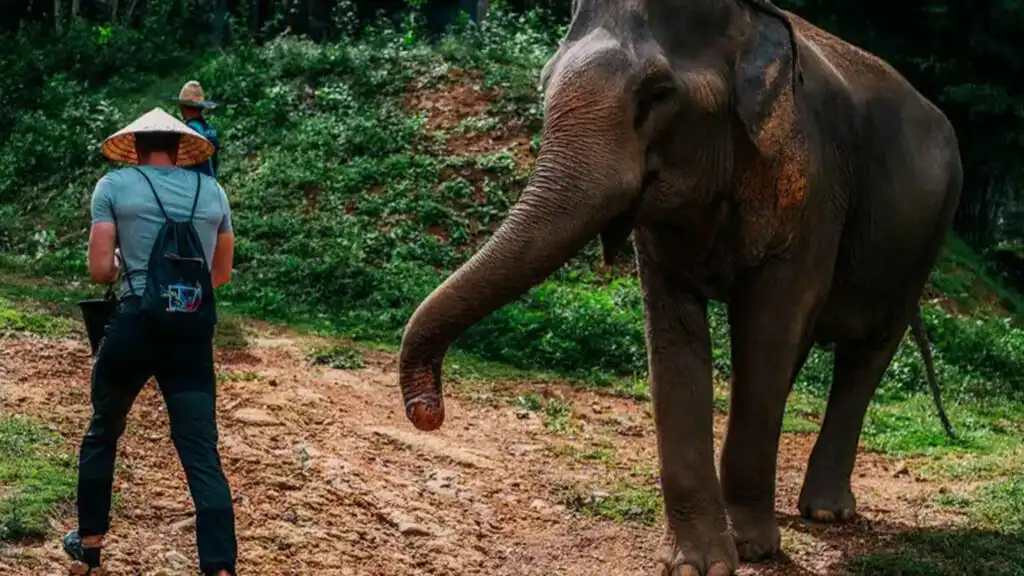
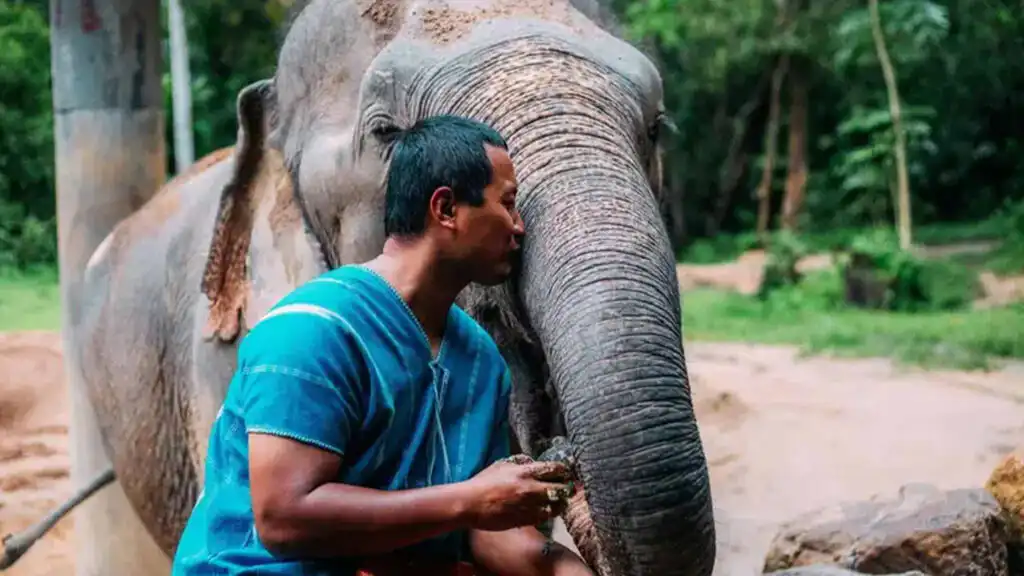
The good news is that alternatives exist. At Samui Elephant Haven, our flagship elephant sanctuary in Samui, and at our branch, Phangan Elephant Sanctuary, the focus shifts away from entertainment and toward genuine care. In both locations, elephants are free to roam natural spaces, build social connections, and express their instincts without interference. Visitors are invited to observe respectfully, experiencing the animals on their own terms rather than imposing on them.
This approach benefits all sides. Elephants regain their autonomy, heal from past trauma, and display natural behaviors, while travelers gain a deeper, more authentic appreciation. Watching elephants forage, communicate, or dust themselves in peace offers a far richer experience than any ride or staged bath.
The Role of Tourists in Driving Change
Demand shapes the industry. When travelers choose exploitative attractions, the cycle of abuse continues. When they instead support sanctuaries that prioritize welfare, the market shifts toward compassion. Growing awareness has already led to declining popularity of rides and shows in certain regions. Campaigns have pushed travel companies and online platforms to stop promoting harmful activities, while some governments are tightening regulations on animal tourism.
As a visitor, you hold power through your choices. The questions you ask and the places you support determine whether elephants will continue to suffer or thrive. Seek out sanctuaries that avoid direct interaction, do not offer rides, and provide space for elephants to live as naturally as possible.
Toward Responsible Tourism
Elephants are not commodities, they are sentient beings with complex emotions and needs. A future where they are respected rather than exploited is possible, but only if travelers demand it. The path to change begins with awareness, grows through ethical choices, and solidifies when sanctuaries that prioritize welfare receive widespread support.
At Samui Elephant Haven, visitors have the opportunity to take part in this change. By choosing to observe elephants in their natural rhythms instead of climbing on their backs or scrubbing their skin, you become part of a movement that values life over entertainment. The shift is already underway, and with each responsible choice, the world moves closer to ending the cycle of cruelty in elephant tourism.
