
Thailand’s elephants are among the most iconic symbols of the country’s culture, history, and natural heritage. Revered for centuries in religion, royal traditions, and local folklore, elephants hold a deeply respected place in Thai society. However, despite their cultural importance, Thai elephants face numerous challenges today, including habitat loss, human-elephant conflict, and exploitation in tourism industries.
Across Thailand, conservationists, government agencies, wildlife organizations, and ethical sanctuaries are working together to protect these magnificent animals. Ethical elephant sanctuaries such as Samui Elephant Haven in Koh Samui play a crucial role in rescuing elephants from exploitative conditions and providing them with a safe, natural environment where they can live with dignity.
This article explores the importance of elephant conservation in Thailand, the major threats elephants face, and the efforts being made to protect them for future generations.
The Importance of Elephants in Thailand
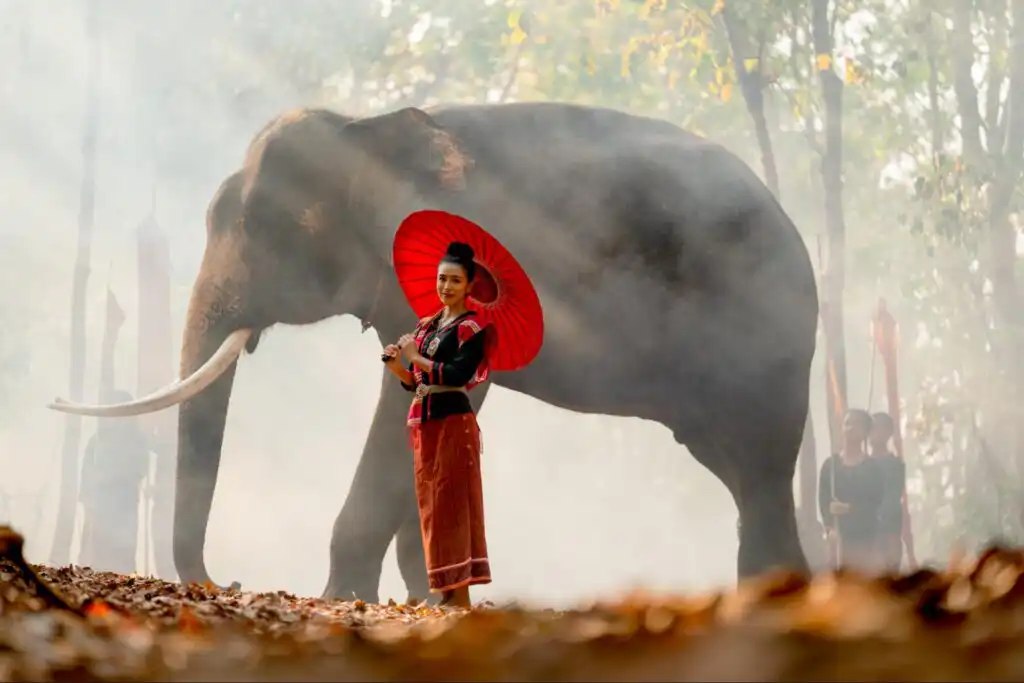
Elephants have long been a symbol of strength, wisdom, and prosperity in Thailand. Historically, they played a vital role in Thai society, particularly in transportation, warfare, and logging. The Asian elephant (Elephas maximus) is also Thailand’s national animal and an integral part of the country’s cultural identity.
In the past, thousands of elephants worked in Thailand’s logging industry. However, when commercial logging was banned in 1989, many elephants and their mahouts (handlers) lost their livelihoods. As a result, many elephants were redirected into tourism activities such as trekking rides, street begging, or circus-style performances.
Today, conservationists are increasingly advocating for ethical alternatives that focus on animal welfare and sustainable tourism.
The Current Population of Thai Elephants
Thailand is home to both wild elephants and captive elephants living in tourism facilities or sanctuaries.
Wild Elephants
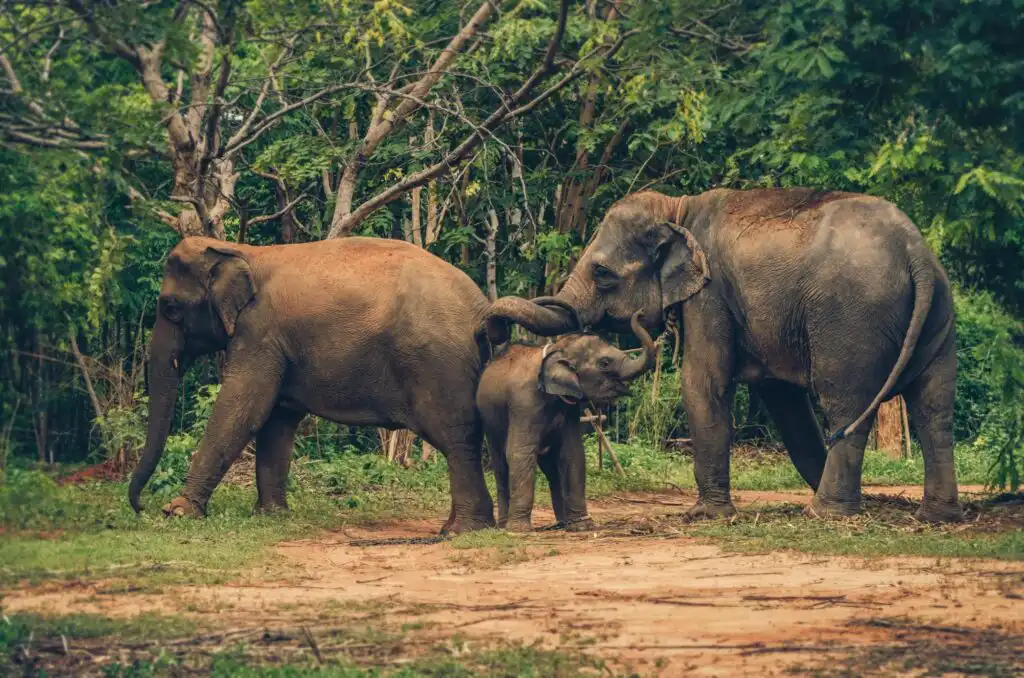
Wild elephants inhabit forests, national parks, and protected wildlife areas throughout the country. According to recent estimates, Thailand currently has approximately 4,013 to 4,422 wild elephants living across 91 conservation areas, including national parks and wildlife sanctuaries.
Although this population has gradually increased in recent decades due to conservation initiatives, the growing numbers have also intensified conflicts between elephants and nearby communities.
Captive Elephants
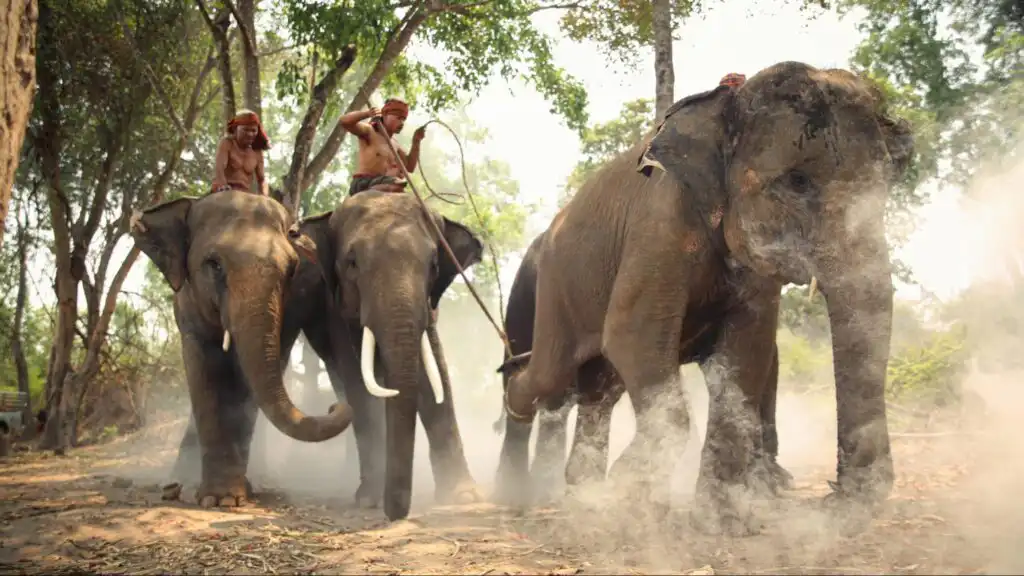
Thailand also has thousands of domesticated elephants. Many were historically used in industries such as logging or tourism. Recent data indicates that nearly 4,000 captive elephants are registered in Thailand, most of which are used in tourism or cultural activities.
Unfortunately, not all facilities prioritize elephant welfare. Research from animal welfare organizations suggests that many captive elephants still live in poor conditions, often facing chaining, limited space, and forced tourist interactions. This situation highlights the importance of ethical sanctuaries and responsible tourism.
Major Threats to Thai Elephants
Despite their cultural significance, Thai elephants face several serious threats that impact their survival and wellbeing.
Habitat Loss and Deforestation
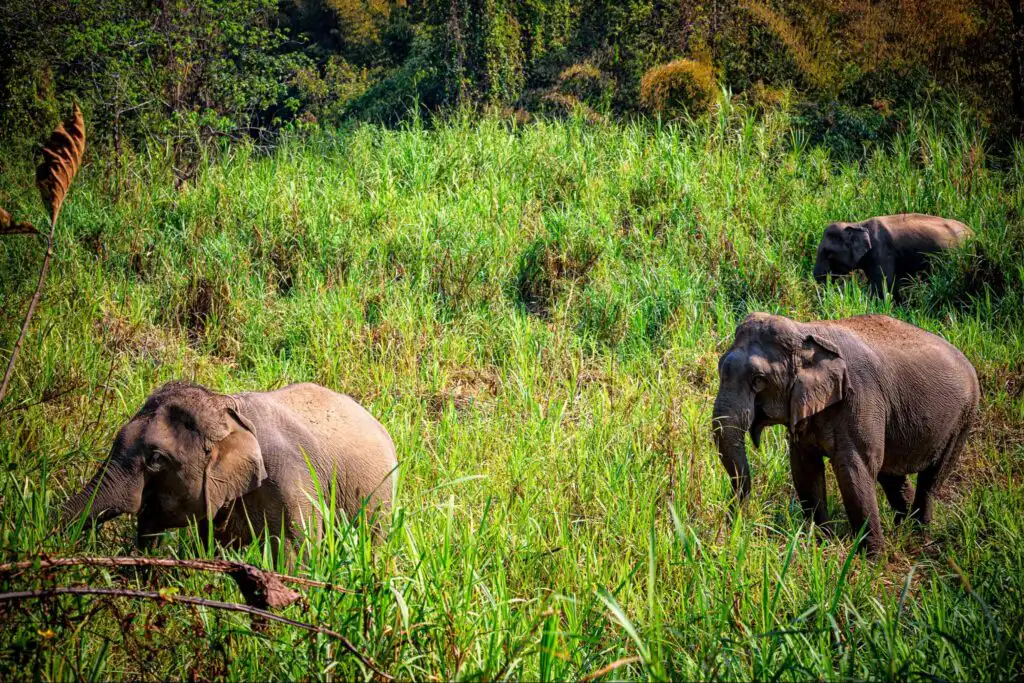
One of the greatest threats to elephants in Thailand is the loss of natural habitat. As agriculture, infrastructure, and urban development expand, forests that once supported elephant populations continue to shrink.
Elephants require large territories for foraging and migration. When forests are fragmented or converted into farmland, elephants are forced to search for food in nearby villages or plantations. This not only disrupts their natural behavior but also increases the risk of human-elephant conflict.
Human–Elephant Conflict
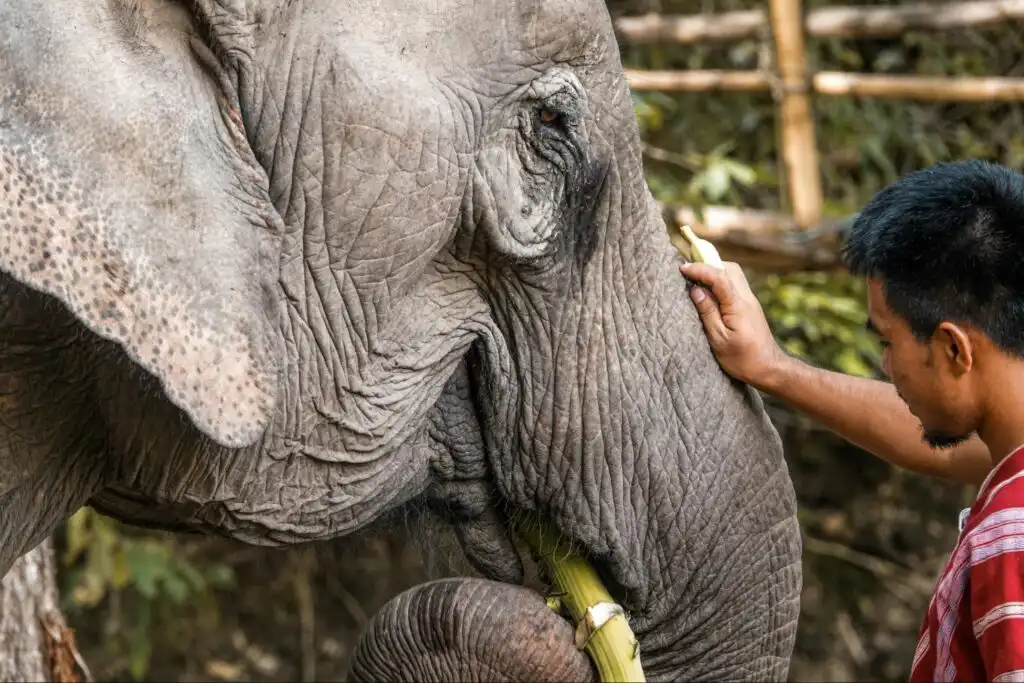
Human-elephant conflict occurs when elephants enter agricultural areas in search of food. Farmers often suffer crop damage, while elephants risk injury or death from retaliation.
These conflicts have become increasingly common in Thailand as elephant populations recover while their habitats continue to shrink. Conservationists are therefore working to develop strategies that reduce conflict while protecting both elephants and local communities.
Tourism Exploitation
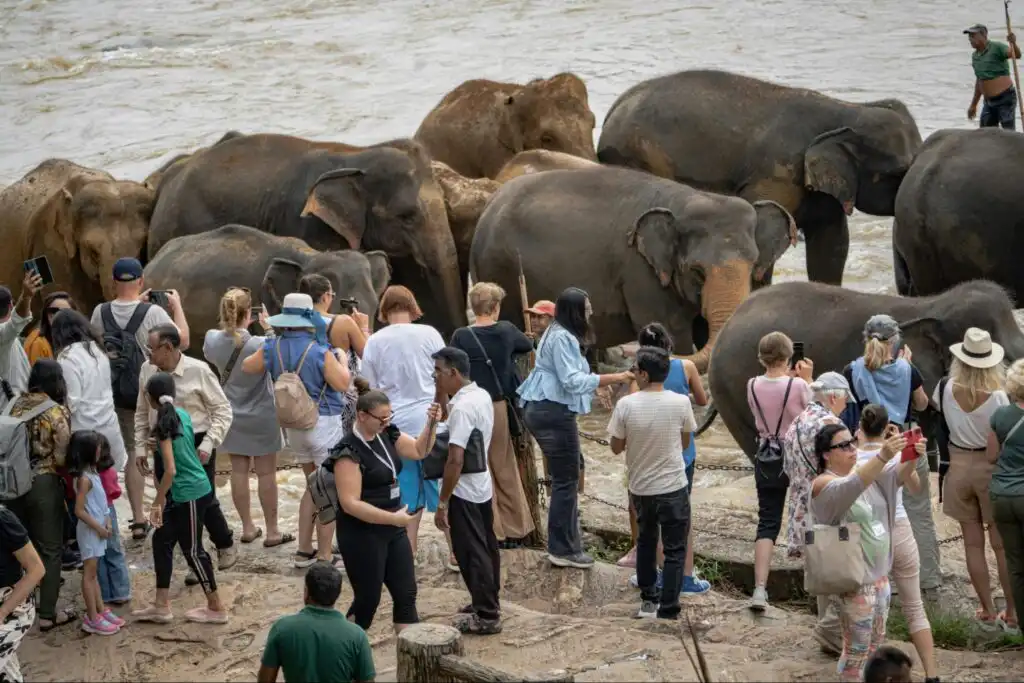
Elephants have long been used as attractions in Thailand’s tourism industry. Activities such as elephant riding, circus performances, and street begging often involve intensive training methods that can cause physical and psychological harm to the animals.
Although public awareness has grown in recent years, many elephants still live in facilities where welfare standards are inadequate. Ethical tourism initiatives aim to replace exploitative activities with observation-based experiences that prioritize the elephants’ wellbeing.
Poaching and Illegal Trade
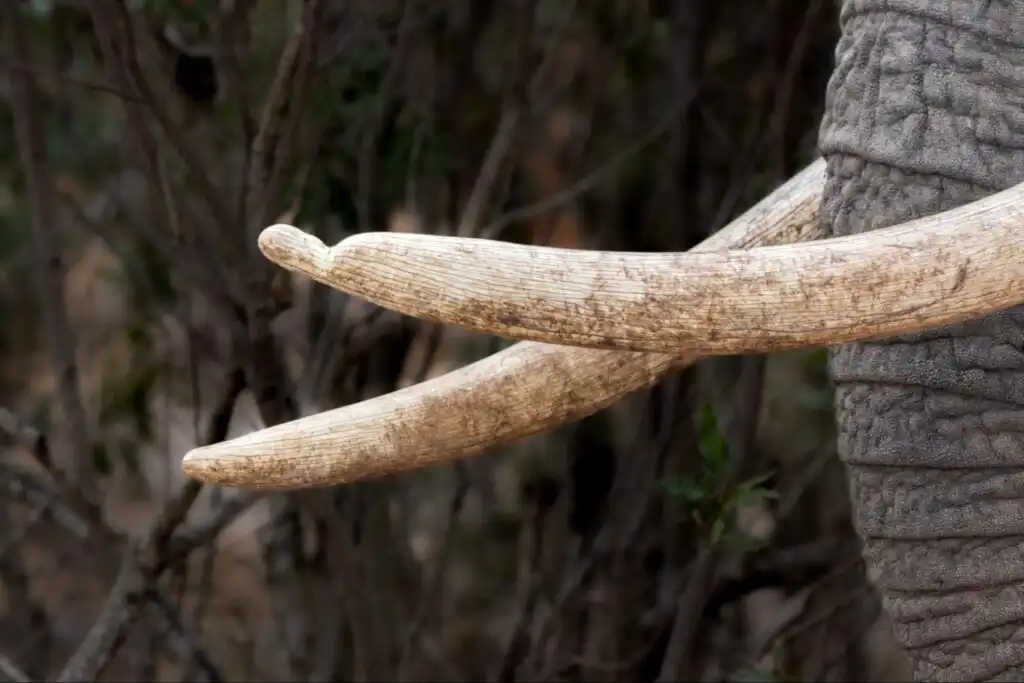
While less common than habitat loss, poaching remains a concern in some areas. Elephants may be targeted for ivory or other body parts, although most Thai elephants do not have large tusks compared to African elephants.
Illegal wildlife trade and trafficking also pose risks to young elephants, which may be captured and sold into tourism industries.
Conservation Efforts in Thailand
To address these challenges, numerous conservation programs have been implemented across the country. These initiatives involve government agencies, international conservation organizations, researchers, and ethical sanctuaries.
Protected Areas and National Parks
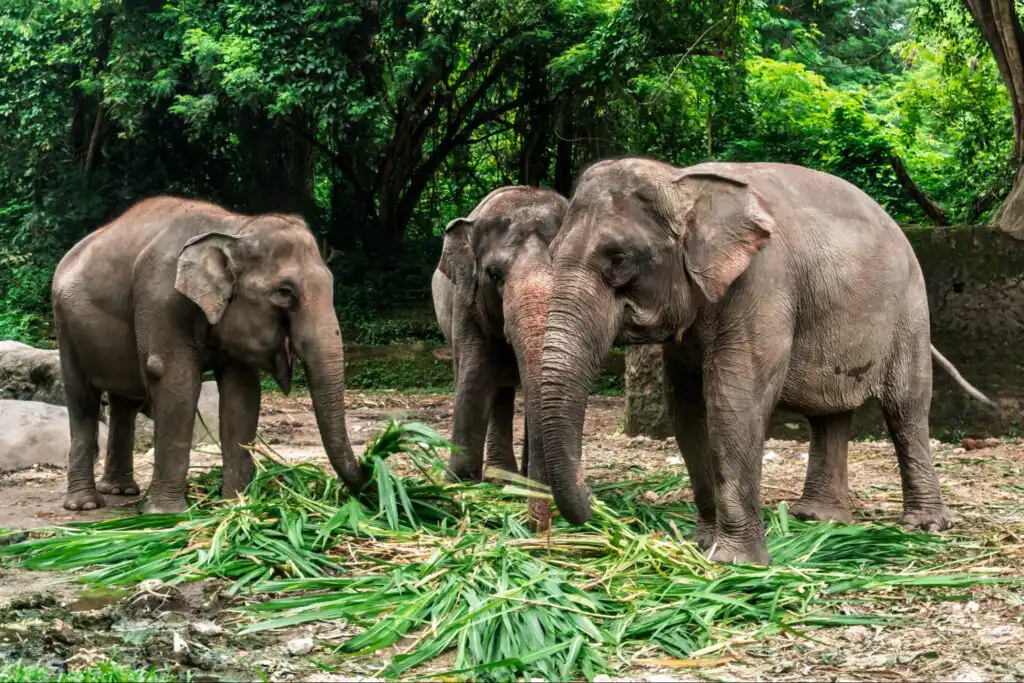
Thailand has established a network of protected areas that serve as safe habitats for wildlife, including elephants. These areas include national parks, wildlife sanctuaries, and conservation forests.
Protected areas play an essential role in preserving biodiversity and allowing elephants to roam freely in their natural environments. Conservation organizations and park authorities also conduct wildlife monitoring, habitat restoration, and anti-poaching patrols to ensure the long-term protection of these ecosystems.
Wildlife Monitoring and Research

Scientific research helps conservationists better understand elephant behavior, migration patterns, and population dynamics.
Technologies such as GPS tracking, camera traps, and field surveys allow researchers to monitor elephant movements and identify areas where human-elephant conflict may occur. This data is essential for developing effective conservation strategies.
Community-Based Conservation
Local communities play a crucial role in elephant conservation. Many conservation projects focus on educating communities about coexistence with wildlife and providing alternative livelihoods that reduce reliance on forest resources.
Programs may include:
- Sustainable agriculture initiatives
- Eco-tourism opportunities
- Compensation for crop damage
- Community wildlife monitoring
By involving local residents in conservation efforts, these initiatives help create long-term solutions that benefit both people and elephants.
Habitat Restoration and Reforestation
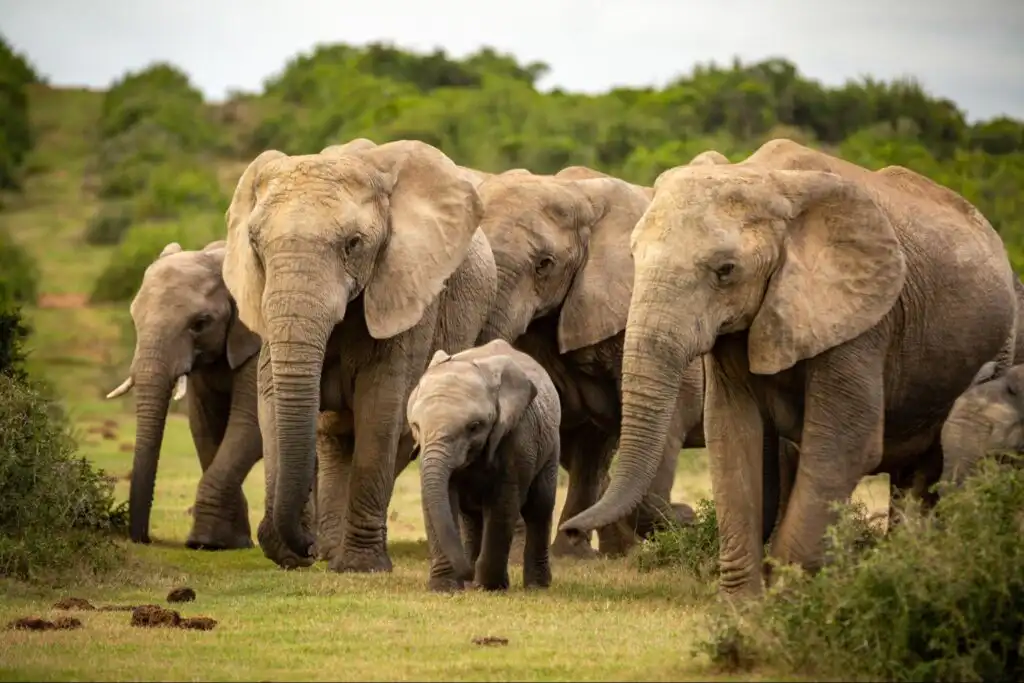
Restoring degraded forests is another key conservation strategy. Reforestation projects help rebuild elephant habitats by planting native tree species that provide food and shelter for wildlife.
Healthy forests also improve biodiversity, reduce soil erosion, and enhance carbon sequestration, making habitat restoration beneficial for both wildlife and the environment.
Innovative Conflict Mitigation
To reduce conflicts between elephants and humans, conservationists have developed several innovative solutions. These include:
- Solar-powered electric fences
- Early warning systems for elephant movement
- Community ranger patrols
- Wildlife corridors connecting fragmented forests
Some researchers are also experimenting with population management strategies to prevent overcrowding in certain areas.
The Role of Ethical Elephant Sanctuaries
Ethical elephant sanctuaries have become an important part of elephant conservation in Thailand. These sanctuaries provide rescued elephants with a safe environment where they can recover from years of labor or exploitation.
Unlike traditional elephant camps, ethical sanctuaries focus on observation rather than entertainment.
Typical sanctuary practices include:
- No elephant riding
- No circus performances
- No forced interactions with visitors
- Large natural spaces for elephants to roam
- Access to veterinary care and proper nutrition
Visitors are encouraged to observe elephants behaving naturally, which also helps educate the public about elephant welfare.
Samui Elephant Haven: Supporting Ethical Elephant Tourism
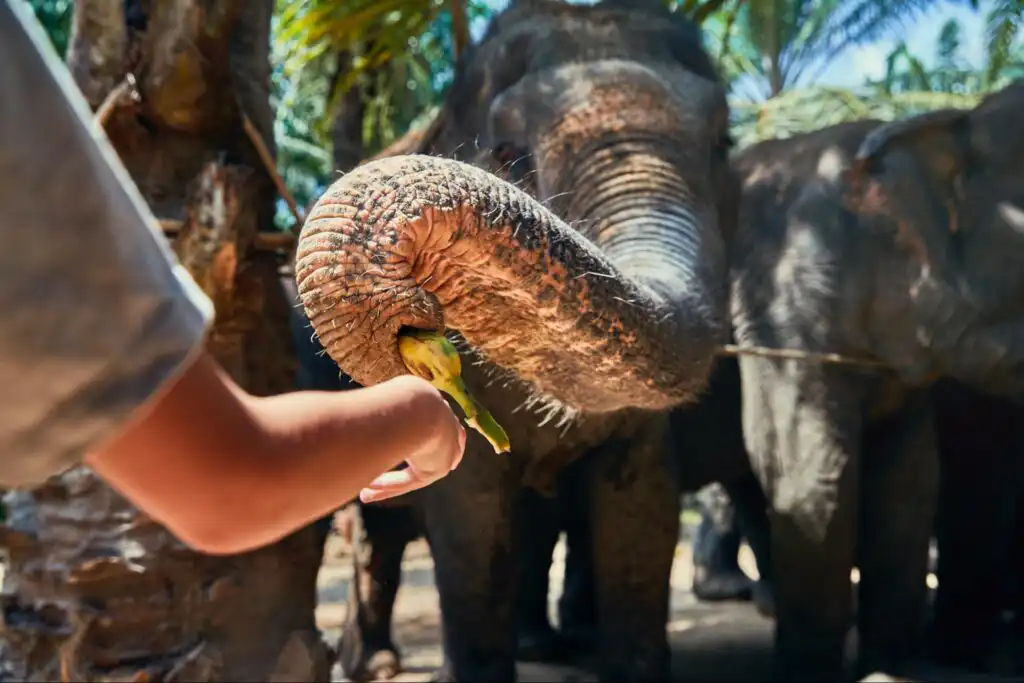
One example of ethical elephant conservation is Samui Elephant Haven, a sanctuary located on the island of Koh Samui. The sanctuary provides a peaceful refuge for elephants that were previously used in logging or tourism industries.
Here, rescued elephants can live in a natural environment where they are free to roam, forage, and socialize with other elephants. Instead of riding or performing, visitors have the opportunity to learn about elephant behavior, feed the elephants, and observe them interacting naturally with their herd.
By prioritizing animal welfare and education, sanctuaries like Samui Elephant Haven help raise awareness about ethical tourism and responsible wildlife conservation.
Tourism also plays an important role in supporting these efforts. When travelers choose ethical sanctuaries over exploitative attractions, they help create a demand for better welfare standards throughout the industry.
Education and Public Awareness
Education is a powerful tool for conservation. Many elephant sanctuaries and conservation organizations run educational programs that teach visitors about elephant biology, behavior, and the challenges elephants face in the wild.
These programs help people understand:
- Why elephant riding is harmful
- How tourism choices affect animal welfare
- The importance of habitat protection
- Ways individuals can support conservation efforts
Increased awareness encourages travelers to make responsible decisions and support ethical wildlife experiences.
The Future of Elephant Conservation
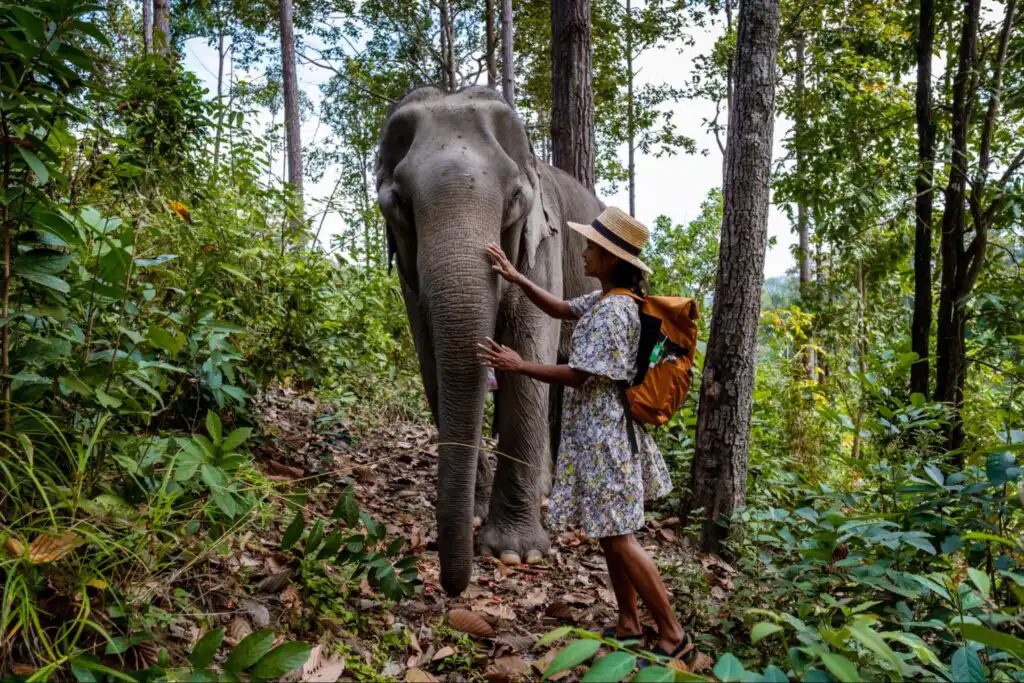
The future of Thai elephants depends on continued collaboration between governments, conservation groups, and responsible tourism initiatives.
Several key priorities will shape the future of elephant conservation in Thailand:
Strengthening Wildlife Protection
Stronger law enforcement and anti-poaching measures are essential to protect elephants from illegal activities.
Expanding Protected Habitats
Creating new wildlife corridors and expanding protected areas will allow elephants to move safely between habitats.
Promoting Ethical Tourism
Encouraging travelers to support ethical sanctuaries rather than exploitative attractions can significantly improve elephant welfare.
Supporting Local Communities
Sustainable livelihoods and community-based conservation programs help ensure that local communities benefit from protecting wildlife.
How Visitors Can Support Elephant Conservation
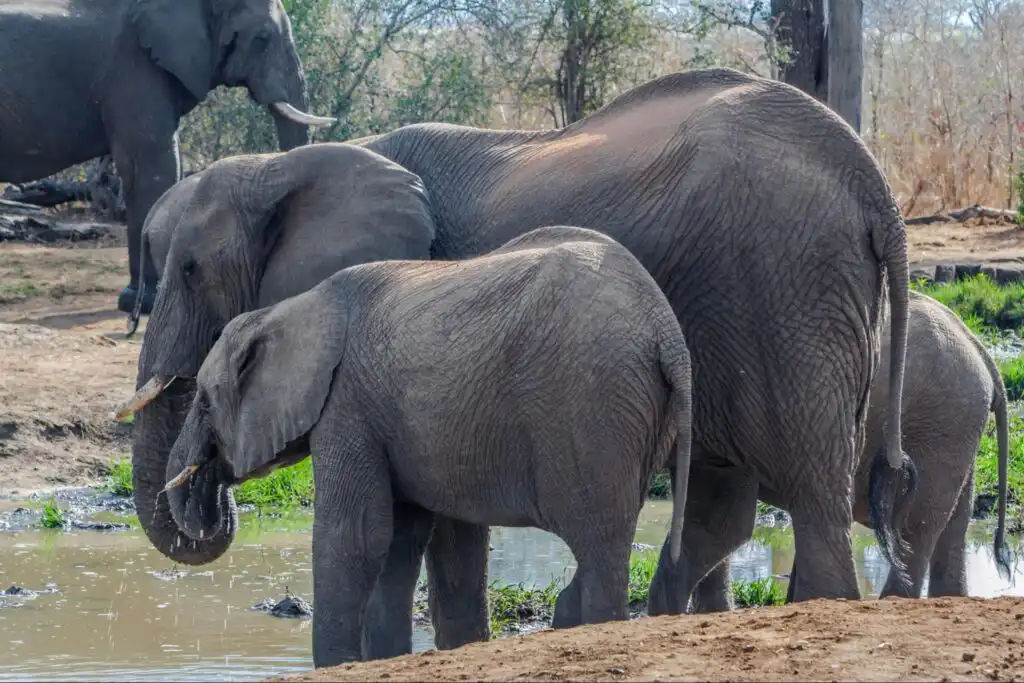
Travelers can make a meaningful impact by choosing responsible tourism practices. When visiting Thailand, consider the following guidelines:
- Avoid elephant riding or circus performances
- Choose ethical sanctuaries that prioritize elephant welfare
- Support organizations involved in wildlife conservation
- Learn about elephant conservation and share awareness
Responsible tourism helps create a future where elephants can thrive in safe and natural environments.
Conclusion
Thai elephants are a treasured part of the nation’s heritage and natural ecosystem. Although these magnificent animals face many challenges from habitat loss to exploitation significant progress is being made through conservation initiatives, protected areas, and ethical tourism.
Sanctuaries such as Samui Elephant Haven demonstrate how responsible tourism can play a positive role in wildlife conservation. By rescuing elephants from harmful conditions and providing them with a safe and natural home, these sanctuaries help restore dignity and wellbeing to animals that have suffered in the past.Protecting Thai elephants requires collective effort from governments and conservation organizations to travelers and local communities. By supporting ethical conservation initiatives and raising awareness about elephant welfare, we can help ensure that future generations will continue to admire and learn from these remarkable creatures.
