
With the help of elephant sanctuaries, elephants that were once subjected to immense hardship embark on journeys of healing and hope. These magnificent creatures, often rescued from years of abuse and exploitation, face a challenging yet transformative process within the nurturing confines of sanctuaries. At places like Samui Elephant Haven, the story of these gentle giants unfolds in a compelling narrative of recovery and resilience.
Like any wild animal, the journey of rescued elephants is complex, marked by both physical and emotional scars that linger long after their rescue. Sanctuaries, such as Samui Elephant Haven, serve as safe havens, offering these elephants a chance to experience a life free from chains and fear. The healing process begins with thorough medical assessments at medical care centers, and extends into holistic rehabilitation programs. It is within these supportive environments that elephants gradually rebuild their health and spirits, forging new bonds and rediscovering the joys of social interaction.
This article explores the intricate recovery processes that sanctuaries implement for elephants, from initial rescue missions to the triumph of witnessing the elephants’ reintegration into herds.
The Harsh Realities Before Rescue
Before the warm embrace of sanctuaries like Samui Elephant Haven, rescued elephants faced grueling realities. Many suffer from crippling injuries due to being chained or overburdened with excessive loads at logging camps. Eye issues, such as blindness and infections, are common, often caused by constant flash photography or trauma.
Foot rot and joint problems arise when elephants are forced to walk on hard, urban surfaces for long periods. This is compounded by chronic malnutrition and dehydration, resulting from inadequate care and nutrition.
Yet, the psychological scars often run deeper than physical wounds. Rescued elephants frequently exhibit fear of human contact. Repetitive stress behaviors, such as swaying or rocking, are coping mechanisms born from prolonged distress. Social withdrawal is another outcome, as these traditionally family-oriented, herd-loving animals lose trust in humans and each other. These harsh realities underscore the importance of sanctuaries, offering a haven where elephants can heal both physically and emotionally.
The Rescue Mission: A Delicate Operation
Rescuing elephants from exploitative conditions is a highly intricate and careful operation. Each mission demands the skill of specialized veterinary teams to guarantee that the elephants’ safety and well-being are always the top priority. These teams play a crucial role in ensuring the well-being of these majestic family animals during the transition to their new life.
Key Components of Elephant Rescue:
- Specialized Equipment: Customized tools such as elephant ambulances and crane lifts are essential to transport these giant creatures safely.
- Legal Navigation: Negotiations with previous owners and adherence to legal requirements are necessary to facilitate the transfer.
Once safe at an ethical elephant sanctuary, elephants begin their healing journey. Sanctuaries offer a switch from exploitative conditions to environments that encourage natural behaviors. Through gradual reintroduction to natural surroundings and safe routines, rescued elephants can slowly heal.
Along with Samui Elephant Haven, sanctuaries such as the Elephant Nature Park and the TLOU – Elephant Rescue Center focus on emotional healing, herd dynamics, and the psychological impact of past traumas. By fostering trust and providing veterinary care, these centers play a pivotal role in the recovery and long-term well-being of elephants.
Initial Medical Intervention and Evaluation
Upon arrival at a sanctuary, rescued elephants often undergo a comprehensive medical evaluation to address immediate health concerns. This process begins with full-body diagnostics, including x-rays and blood panels, to assess internal health and identify any underlying conditions. Emergency wound care, hydration therapy, and dietary adjustments are essential components of immediate care, especially for elephants suffering from malnutrition or dehydration due to neglect or abuse.
Elephants with severe trauma are prioritized for urgent intervention, ensuring those in critical condition receive timely assistance. Pest and infection control measures are crucial, focusing particularly on foot and skin conditions that are common among elephants recovering from poor living environments.
Key components of an initial assessment include:
- X-rays and Blood Panels: Determine internal health.
- Emergency Wound Care: Address wounds and injuries.
- Hydration Therapy: Replenish essential fluids.
- Dietary Adjustments: Tailor diet for recovery needs.
- Pest and Infection Control: Target skin and foot health.
By systematically addressing these areas, sanctuaries like Samui Elephant Haven provide rescued elephants with the essential and immediate care needed to begin their journey toward healing and recovery.
Tailored Long-Term Veterinary Care
Each rescued elephant receives a meticulously tailored recovery plan to ensure their long-term well-being. These plans are customized to address the specific needs of each elephant.
This personalized approach not only focuses on physical healing but also considers the emotional and psychological well-being of these majestic creatures, many of whom have suffered trauma from industries such as logging.
By combining expert veterinary care with thoughtful emotional support, elephant sanctuaries pave the way for a brighter, healthier future for these rescued wild animals, supporting their integration into family herds and promoting trust-building within the sanctuary environment.
Healing the Mind: Emotional and Behavioral Recovery
Rescued elephants, particularly those from exploitative environments like the logging industry or elephant camps, often show signs of PTSD. So sanctuaries employ trauma-informed care to facilitate their healing. These approaches prioritize routine and predictability, helping these majestic creatures feel safe.
Key Components of Emotional Recovery:
- Routine and Predictability: Establish a consistent daily schedule to reduce anxiety.
- Positive Reinforcement Training: Build trust through reward-based interactions.
- Quiet Zones and Safe Spaces: Minimize sensory overload by offering calm environments.
- Peer Support: The presence of peaceful companions aids social reintegration.
At Samui Elephant Haven, the emphasis is on fostering herd dynamics that mimic natural conditions, vital for emotional healing. Like herd animals, Elephas maximus thrive on social bonds. Other rescued elephants provide crucial emotional support, accelerating the overall recovery process. Meanwhile, specialized facilities in places like Mae Wang District in Chiang Mai offer state-of-the-art veterinary care to complement psychological therapies. Here, emotional healing is intertwined with responsible tourism to educate and inspire positive change.
Forming Bonds and Rebuilding Herds
In sanctuaries, rescued elephants are given the chance to heal by forming or rejoining herds, vastly different from their previously isolated lives. This process begins with gentle introductions under careful supervision to prevent conflicts. By observing each elephant’s social cues and personality, caregivers strive to establish harmonious groups.
These newly formed herds engage in shared enrichment activities such as mud baths and foraging games. These activities not only rekindle the elephants’ natural instincts but also significantly contribute to their emotional stability.
Key Steps in Rebuilding Herds:
- Gentle introductions to potential herd members.
- Observation of social cues and personality matching.
- Shared enrichment activities to strengthen bonds.
This process highlights the profound impact of sanctuary life on these magnificent creatures, fostering their recovery and providing a semblance of the family-oriented lives they are meant to lead. Such initiatives underscore the pivotal role of sanctuaries in elephant conservation and emotional healing, offering a hopeful path for both African elephants and Asian elephants.
Daily Life in the Sanctuary
At reputable elephant sanctuaries, elephants thrive through a structured yet enriching routine that mirrors their natural habitat. These sanctuaries prioritize the well-being of both Asian and African elephants by providing a safe haven to heal and rediscover their natural behaviors.
Enrichment Activities:
- Bathing: Elephants enjoy bathing in rivers or specially built pools. This not only keeps their skin healthy but also offers therapeutic benefits, reinforcing herd dynamics as these family animals interact playfully.
- Browsing and Foraging: Elephants spend their day browsing for food in semi-wild enclosures. This activity stimulates their natural instincts and offers physical exercise.
- Engagement with Enrichment Tools: Daily enrichment includes puzzle feeders and tree-rubbing stations, allowing elephants to engage in problem-solving and physical activity.
- Dusting and Mud Baths: Dusting areas and mud baths are essential for skin care and temperature regulation, echoing their life in the wild.
Elements of the daily routine at sanctuaries like Samui Elephant Haven highlight the emphasis on emotional healing and trust building among elephants, crucial for overcoming the trauma responses many rescued from the logging industry endure. These sanctuaries are key to responsible tourism and elephant conservation.
Success Stories: From Trauma to Triumph
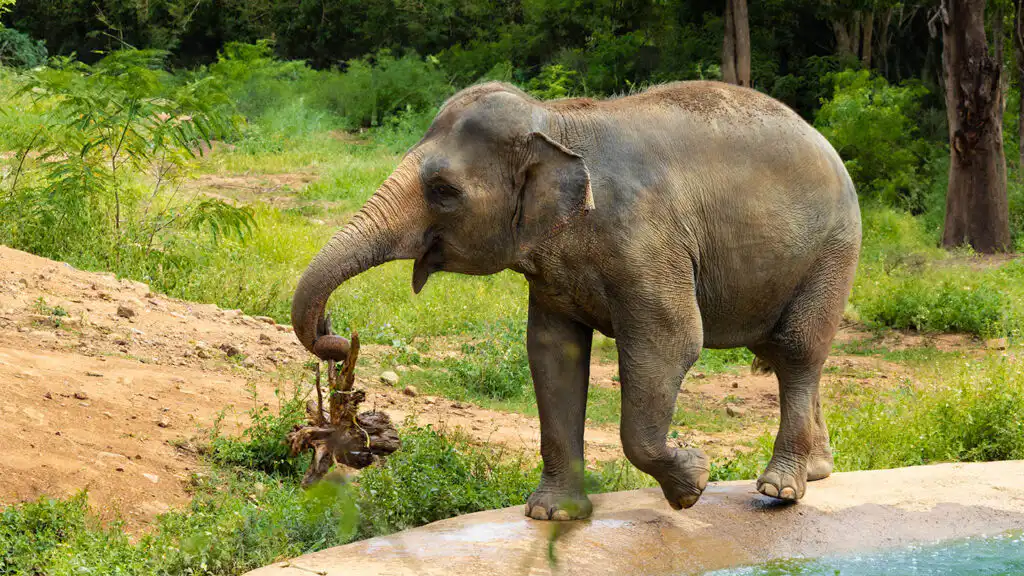
In the serene embrace of Samui Elephant Haven, more than a dozen rescued elephants like Aom, Nong Prech, and Sri Nuan find solace and healing.
Aom
Once burdened by tourist rides and separated from her calves, Aom now nurtures herself with tranquility. Here, she no longer faces the sounds that terrorized her past, such as woodcutters, allowing peace to replace fear.
Nong Prech
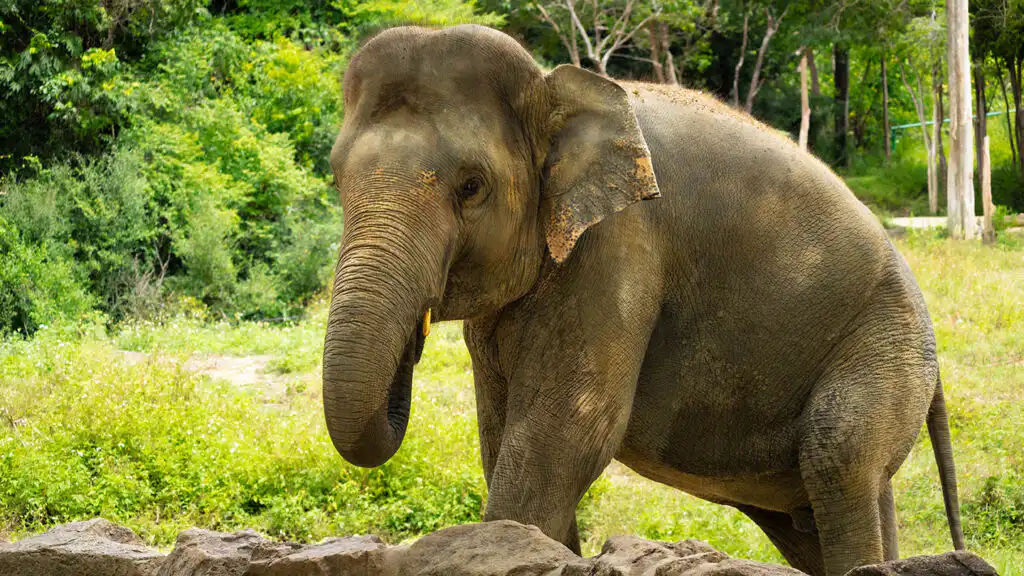
Nong Prech is a spirited young elephant that was rescued from a life of street begging, a fate too harsh for any creature. With scars now faded, she roams the sanctuary, relishing the companionship of fellow elephants and the attentive care of her keepers and camp mahouts.
Sri Nuan
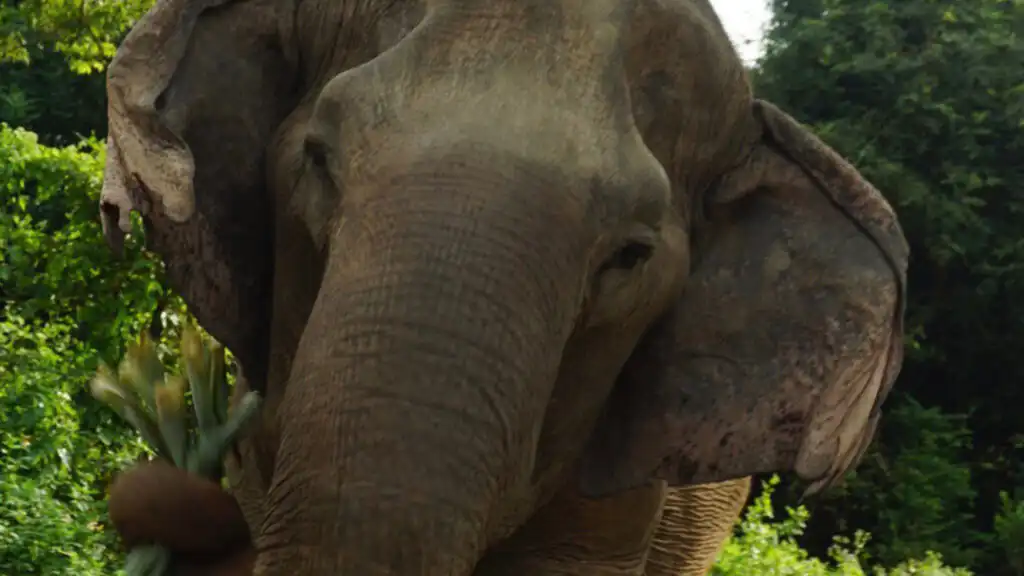
A testament to endurance, Sri Nuan trekked from the exhaustion of logging and tourist trekking to find refuge. Despite her age and the challenges of old trauma, her spirit thrives, especially among the sanctuary’s new arrivals, even though she struggles with other adults. With specialized care tailored to her dietary needs and the loss of the majority of her teeth, she enjoys a diet of minced fruits suited to her condition.
These stories highlight the resilience of elephants and the unwavering dedication of Maew and his team at Samui Elephant Haven, transforming trauma into a path of healing and hope.
How You Can Support Their Journey
Supporting the healing of rescued elephants is a noble cause that requires collective effort. You can make a significant impact in several ways:
- Adopt an Elephant Virtually
Support an elephant’s daily care by adopting them virtually. Your contributions help provide for their food, medical needs, and enrichment activities. - Volunteer Your Time
Consider volunteering at an ethical elephant sanctuary. Offer your time or professional skills to assist in their care and rehabilitation processes. - Donate to Ethical Sanctuaries
Financial donations are crucial. Contribute to sanctuaries committed to providing lifelong, chain-free care, ensuring that elephants live in a safe and nurturing environment. - Responsible Tourism
Steer clear of elephant tourism featuring rides, shows, or unnatural performances. Opt for ethical travel instead by selecting sanctuaries focused on elephant conservation and welfare. Consider places like Samui Elephant Haven or other elephant rescue parks in Thailand, such as those in Chiang Mai and Mae Wang District. For guidance on identifying ethical sanctuaries, visit our blog.
Supporting rescued elephants is not just about immediate care but fostering trust and emotional healing, crucial for their recovery. Each contribution, small or large, aids in the recovery journey of these majestic family animals.
Conclusion: From Suffering to Sanctuary
Elephants are profoundly intelligent and sensitive creatures, whose healing journey – from trauma to trust – is truly remarkable. Sanctuaries such as Samui Elephant Haven offer more than just medical treatment; they provide love, freedom, and the possibility of a new life. The transition from suffering, often stemming from the logging industry or being kept in elephant camps, to the sanctuary’s embrace, is a deeply transformative process.
By contributing to these safe havens, you are joining a global movement committed to ensuring that every elephant can live with dignity. It’s crucial to recognize that places like Samui Elephant Haven not only focus on the physical healing of elephants but also prioritize their emotional healing and psychological well-being.
Here’s how sanctuaries like Samui Elephant Haven facilitate healing:
- Medical Care: Comprehensive veterinary care to address physical injuries.
- Emotional Support: Building trust and reducing trauma responses.
- Natural Environment: Space to roam and engage in natural behaviors like mud baths.
- Social Structures: Reestablishing herd dynamics for family animals.
Together, we can protect these majestic animals’ futures, ensuring that healing defines their legacy, not harm. Join us in shaping a world where elephants thrive.
