
Elephant migration patterns refer to the seasonal movement of elephant herds across forests, grasslands, wetlands, and savannas in search of food, water, breeding opportunities, and safer habitats. Both African Elephant and Asian Elephants Depend on migration to survive in ecosystems where rainfall, vegetation, and water availability constantly change throughout the year.
These migrations can cover hundreds of kilometers and are guided by experienced matriarchs that remember ancient travel routes, rivers, and feeding grounds. Elephant migration also plays an important ecological role because elephants spread seeds, maintain vegetation balance, and support biodiversity across large ecosystems.
This article explains how elephant migration works, the main factors driving migration, major migration routes, and the conservation challenges threatening elephant movement in the wild.
What Are Elephant Migration Patterns?
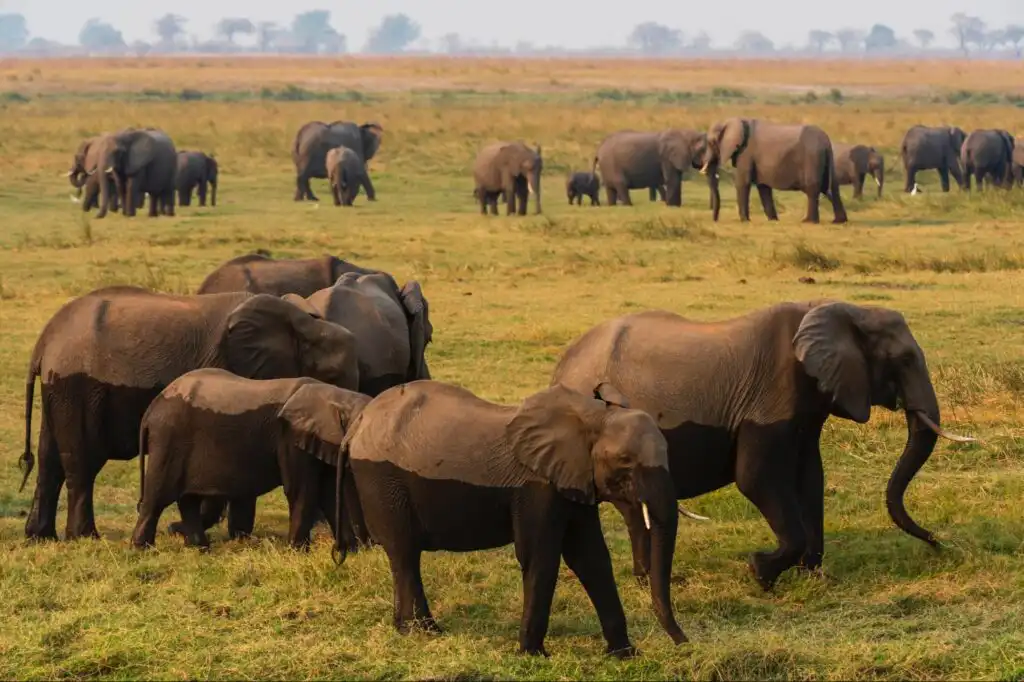
Elephant migration patterns refer to the seasonal or resource-driven movement of elephant herds between different habitats. These movements are usually linked to changing weather conditions, water availability, vegetation growth, and breeding behavior. Unlike daily roaming, migration involves long-distance travel that often follows routes used repeatedly over generations.
Many elephant herds depend on experienced matriarchs to guide migration decisions. Older females remember the locations of rivers, wetlands, feeding grounds, and safe travel corridors even during severe droughts. This knowledge allows herds to survive in landscapes where environmental conditions can change rapidly between seasons.
Migration behavior varies depending on habitat type and elephant species. Elephants living in open savannas often travel much farther than elephants living in dense tropical forests because food and water availability fluctuate more dramatically in grassland ecosystems.
Definition of Elephant Migration
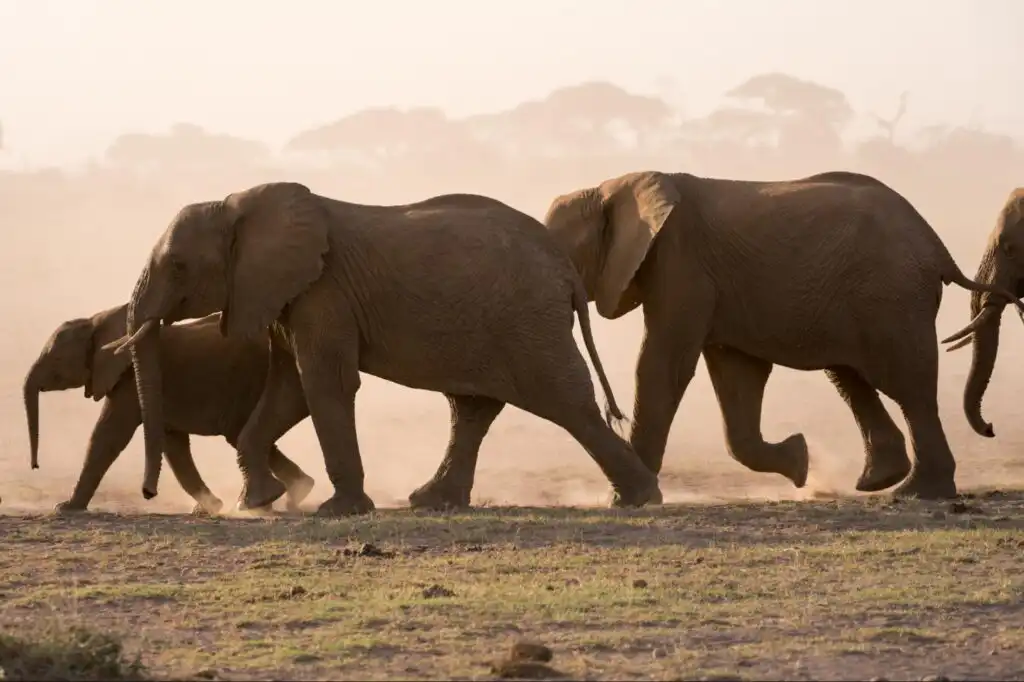
Elephant migration is the repeated movement of elephant populations from one region to another in response to environmental conditions and survival needs. These migrations may occur during seasonal wet and dry cycles or during periods of ecological stress such as droughts, habitat destruction, and wildfires.
Elephant movement is strongly connected to several environmental factors, including rainfall patterns, water access, vegetation growth, and temperature changes. In many ecosystems, migration allows herds to follow fresh plant growth while avoiding areas where food and water have become depleted.
Scientists generally classify elephant movement into two categories:
| Movement Type | Description |
| Seasonal Migration | Predictable movement linked to wet and dry seasons |
| Nomadic Movement | Irregular movement caused by sudden environmental pressure such as drought or habitat loss |
African savanna elephants are known for long-distance seasonal migration across grasslands and floodplains, while Asian elephants often display shorter and less predictable migration patterns because forests in many parts of Asia have become fragmented by roads, farms, and urban expansion.
Why Elephants Migrate
Elephants migrate because they require enormous amounts of food and water every day to survive. An adult elephant can consume up to 150 kilograms of vegetation and drink more than 100 liters of water daily. Remaining in one location for long periods can quickly exhaust local resources, especially during dry seasons when vegetation becomes scarce.
During drought periods, elephant herds move toward rivers, lakes, swamps, and permanent water holes where water remains available year-round. After seasonal rainfall, elephants often migrate toward regions with fresh grass and new vegetation growth because these areas provide higher nutritional value.
Migration also helps reduce competition between herds by spreading feeding activity across wider landscapes. In some ecosystems, migration increases breeding opportunities because different elephant populations encounter one another near major feeding grounds and water sources.
Human activity has also become an important driver of elephant movement. Expanding agriculture, road construction, deforestation, and urban development frequently block traditional migration routes, forcing elephant populations to alter ancient movement patterns.
Elephant Species That Migrate
Several elephant species and subspecies display migration behavior, although migration distance and movement patterns vary depending on environmental conditions and habitat type.
African Savanna Elephants
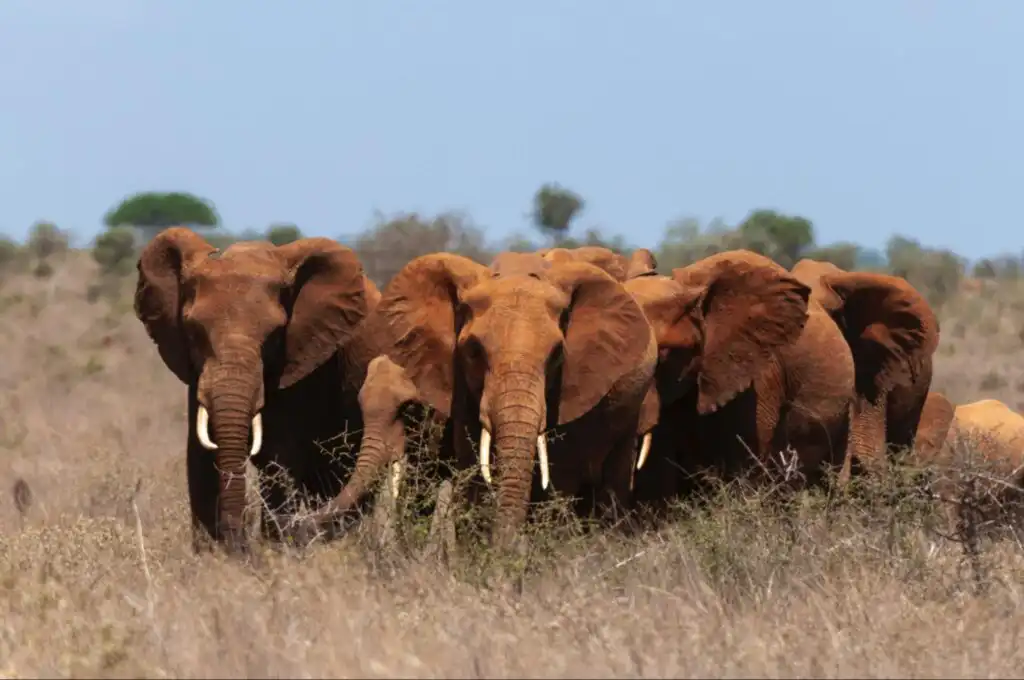
African Elephant populations living in East and Southern Africa are known for some of the largest elephant migrations recorded in the wild. These elephants move across savannas, wetlands, woodlands, and floodplains following seasonal rainfall and vegetation cycles.
Large migratory populations are commonly found in Botswana, Kenya, Tanzania, Namibia, and Zimbabwe. Some elephant herds travel across international borders during migration, particularly within large conservation landscapes such as the Kavango-Zambezi ecosystem.
Savanna elephants depend heavily on seasonal movement because rainfall patterns strongly influence water and vegetation availability across open grassland ecosystems.
Forest Elephants
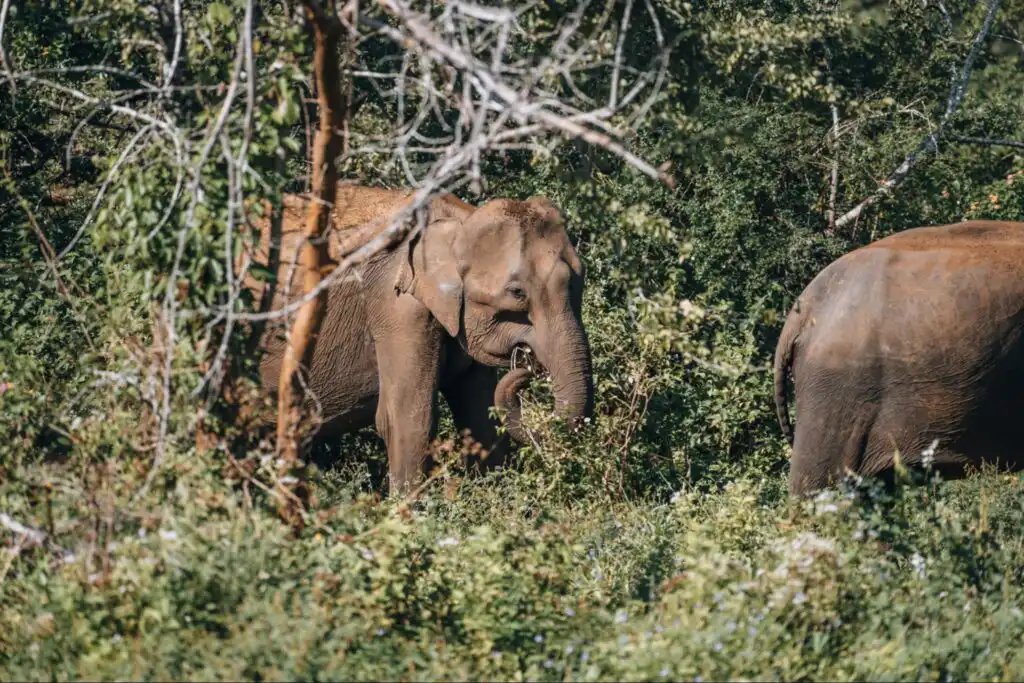
Forest elephants living in Central African rainforests migrate shorter distances because tropical forests provide relatively stable food resources throughout the year. Their movement patterns are closely connected to fruiting trees, mineral-rich forest clearings, and seasonal vegetation cycles inside rainforest habitats.
These elephants also play a major ecological role in maintaining rainforest biodiversity. By dispersing seeds across large areas, forest elephants contribute to forest regeneration and plant diversity.
Asian Elephants
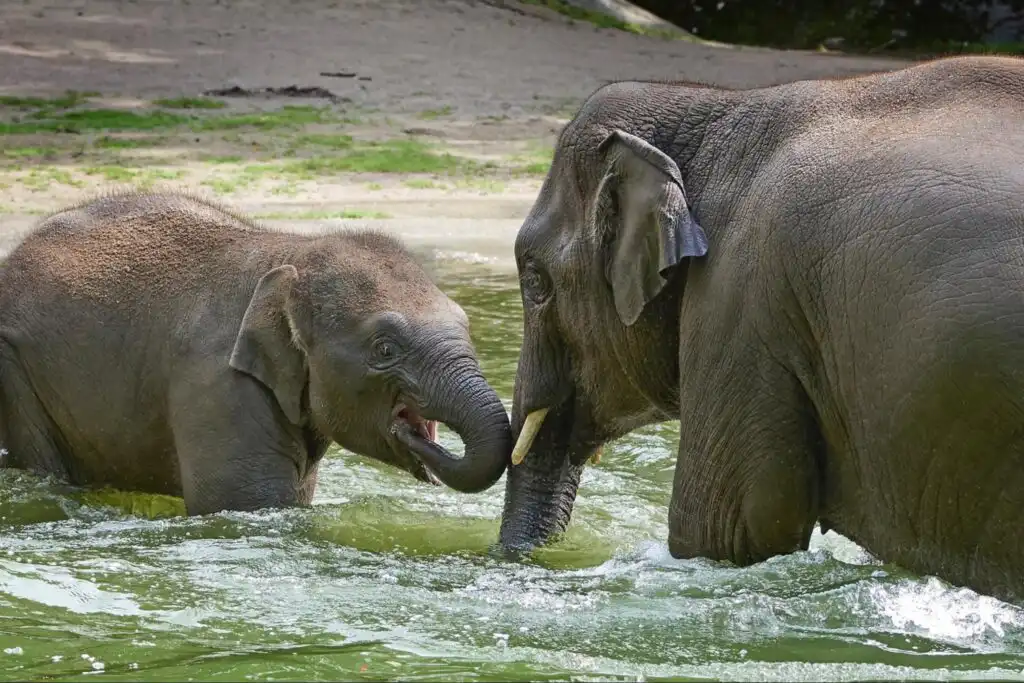
Asian Elephants migrate across forests, grasslands, and agricultural regions throughout South and Southeast Asia. Their migration routes are increasingly fragmented by highways, plantations, railways, and expanding human settlements.
Major migratory populations exist in:
- India
- Sri Lanka
- Thailand
- Nepal
- Myanmar
Asian elephants frequently travel between protected forests and nearby farmland, increasing the risk of human-elephant conflict. In several parts of Asia, shrinking forest habitats have forced elephants to move through densely populated areas while searching for food and water.
Main Drivers of Elephant Migration
Elephant migration is shaped by a combination of environmental conditions, biological survival needs, and social behavior. Rainfall, vegetation growth, climate patterns, water availability, and herd structure all influence where elephants travel and how far they migrate throughout the year.
Many elephant populations continue to follow ancient migration routes that have existed for generations. However, climate change and human development are increasingly altering these traditional movement patterns.
Seasonal Rainfall and Climate

Seasonal rainfall is one of the strongest factors controlling elephant migration. In African savannas, elephants usually move toward areas that recently received rain because fresh vegetation grows rapidly after storms. New grass growth provides higher nutritional value, making rainy regions important feeding grounds for migrating herds.
During dry seasons, temporary water holes disappear and vegetation becomes scarce. Elephant herds then migrate toward permanent rivers, wetlands, lakes, and floodplains where water remains available throughout the year.
Several ecosystems are well known for rainfall-driven elephant migration, including:
- The Serengeti ecosystem in East Africa
- The Okavango Delta in Botswana
- Monsoon forest regions in India
Climate variability can strongly affect migration timing and distance. Delayed rainfall or prolonged drought often forces elephants to travel farther in search of water and vegetation. In some regions, climate change has already disrupted historical migration cycles by altering rainfall patterns and increasing drought frequency.
Search for Food Sources
Food availability directly shapes elephant migration patterns because elephants consume massive amounts of vegetation every day. Their diet changes depending on seasonal conditions, habitat type, and vegetation availability.
Elephants commonly feed on:
- Grass
- Leaves
- Bark
- Fruits
- Shrubs
- Bamboo
Wet seasons usually provide abundant grass growth, while dry seasons force elephants to rely more heavily on bark, woody plants, roots, and tree branches. Some elephant populations also migrate toward mineral-rich soils that provide important nutrients missing from their regular diet.
Migration helps reduce pressure on local vegetation by spreading feeding activity across larger ecosystems. Without migration, concentrated feeding by large elephant populations could severely damage vegetation and reduce habitat quality over time.
Water Dependency
Water access is essential for elephant survival, which is why most migration routes are closely connected to rivers, lakes, wetlands, and seasonal waterholes. Elephants require large amounts of water not only for drinking but also for cooling their bodies and protecting their skin from heat.
Elephants use water for several purposes:
- Drinking
- Bathing
- Cooling body temperature
- Protecting skin from sun exposure
In drought-prone ecosystems, experienced matriarchs guide herds toward hidden or seasonal water sources remembered from previous migration cycles. This long-term environmental memory plays an important role in herd survival during severe dry periods.
Researchers using GPS tracking technology have discovered that many elephant migration corridors follow major water systems across large landscapes. When drought conditions intensify or human water diversion projects reduce natural water availability, elephants often move closer to villages and agricultural areas while searching for alternative water sources.
Social and Reproductive Behavior
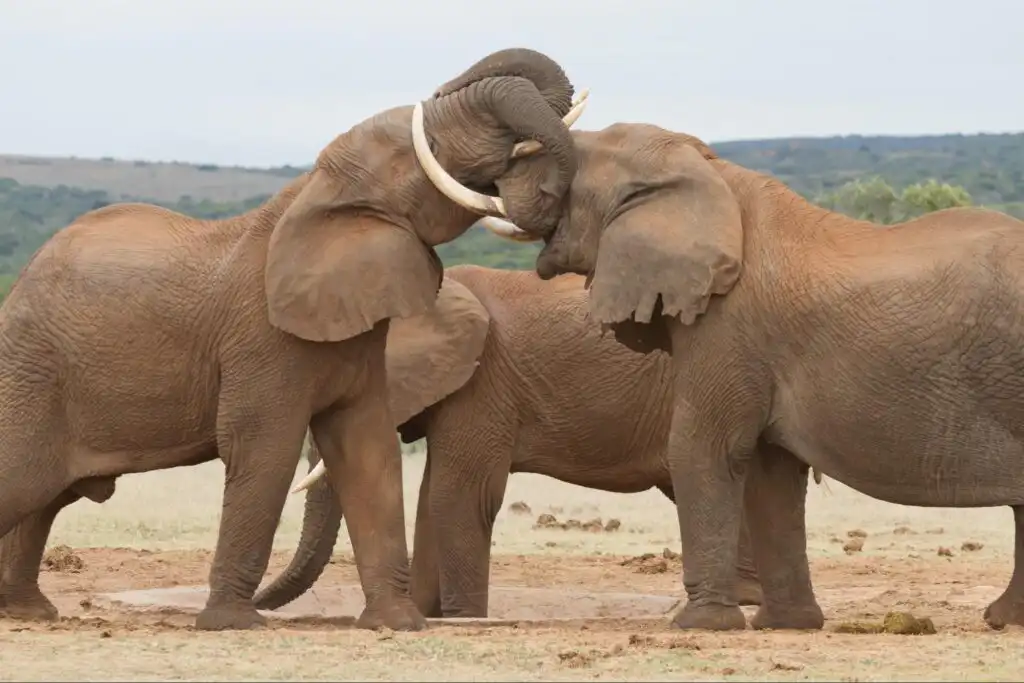
Elephant migration is strongly connected to herd structure and reproductive behavior. Most elephant family groups are led by matriarchs that guide movement decisions using environmental knowledge gained over decades of migration experience.
Migration supports several important social functions, including herd protection, calf survival, social bonding, and breeding opportunities. Female elephants usually travel in tightly connected family groups, while adult males often move independently or form temporary bachelor groups.
When multiple elephant herds gather near major feeding zones or waterholes during migration, breeding opportunities increase and genetic diversity between populations improves. These seasonal encounters are important for maintaining healthy elephant populations across large ecosystems.
Migration also helps protect calves by allowing herds to move away from areas experiencing severe drought, food shortages, or human disturbance. Young elephants are highly vulnerable to environmental stress, making migration essential for long-term population survival.
Threat Avoidance
Elephants frequently migrate to avoid environmental threats and human pressure. Severe droughts, wildfires, poaching activity, habitat destruction, and expanding settlements can force herds to abandon traditional habitats and search for safer regions.
Major threats affecting elephant migration include:
- Deforestation
- Agricultural expansion
- Illegal ivory poaching
- Highway construction
- Railways
- Human settlements
In heavily populated regions, some elephant populations have shifted toward nighttime migration because human activity decreases after dark. Night movement helps reduce encounters with people, vehicles, and agricultural operations.
As migration corridors continue shrinking across Africa and Asia, conservation groups are working to reconnect fragmented habitats and protect wildlife corridors that allow elephants to continue their natural migration cycles safely.
Conclusion
Elephant migration patterns are essential for both elephant survival and ecosystem health. These seasonal movements allow elephants to reach water sources, fresh vegetation, breeding areas, and safer habitats while helping maintain ecological balance across forests and savannas. Learning about elephant behavior and migration also helps visitors better understand ethical wildlife tourism, especially when visiting an elephant sanctuary in Samui or conservation-focused facilities like Samui Elephant Haven.
Rainfall, climate conditions, food availability, and herd behavior all influence migration routes, but habitat destruction, poaching, and human expansion continue to threaten many traditional corridors. Protecting migration pathways through conservation programs and wildlife corridor restoration will remain critical for preserving elephant populations and the ecosystems that depend on them.
