
Challenges Facing Asia’s Endangered Elephants in 2026
Asian elephants once occupied connected habitats stretching from western Asia across the Indian subcontinent and into Southeast Asia. Today, their remaining populations survive in fragmented forests and human-dominated landscapes across 13 range countries.
The species remains classified as Endangered, with fewer than 50,000 individuals estimated to live in the wild. However, this figure should not be treated as a precise 2026 census. Elephant surveys are conducted at different times and use different methods, while some populations live in forests where accurate counting is extremely difficult.
The central challenge is not simply that elephant numbers are low. Habitat fragmentation, conflict with people, illegal wildlife trade, infrastructure development, climate change, and slow reproduction interact in ways that make long-term recovery increasingly difficult.
How Many Asian Elephants Remain in the Wild?
The global wild Asian elephant population is generally estimated at fewer than 50,000 individuals. India supports the majority, while smaller and often isolated populations remain in Sri Lanka, Nepal, Bhutan, Bangladesh, Myanmar, Thailand, Laos, Cambodia, Vietnam, China, Malaysia, and Indonesia.
There is no complete, simultaneous census covering the species’ entire range in 2026. Population figures therefore represent scientific estimates rather than an exact count. Dense forests, international borders, seasonal elephant movement, different survey methods, and limited monitoring capacity all contribute to uncertainty.
What is clear is that the species now occupies only a fraction of its former territory. Research published in Scientific Reports found that more than 64% of suitable Asian elephant habitat has been lost since 1700. During the same period, the average size of connected habitat patches fell by approximately 83%.
More recent analysis covering 2000 to 2020 found a further reduction in suitable habitat across the global Asian elephant range. Although overall habitat suitability showed signs of stabilising in some areas, fragmentation continued to worsen. Apparently stable forest cover can therefore conceal declining connectivity between elephant populations.
What Are the Main Threats Facing Asian Elephants?
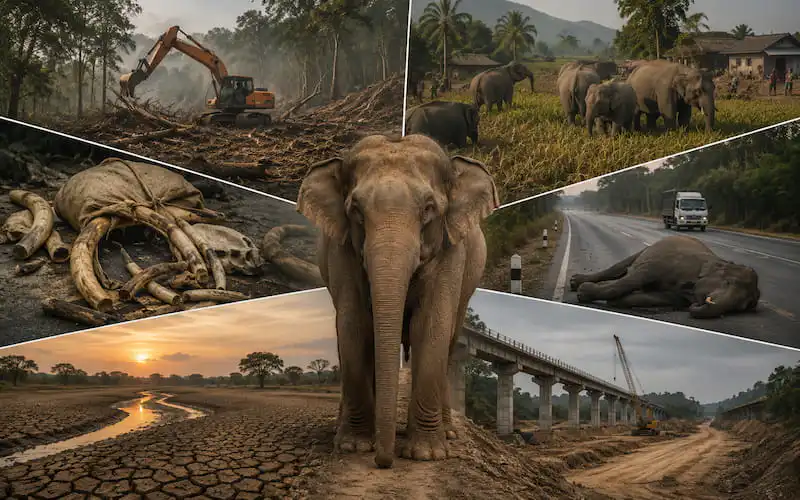
Asian elephants face several interconnected pressures rather than one isolated threat. Habitat loss may push elephants towards farms, for example, while climate-related water shortages may increase those movements further.
| Challenge | How it affects elephants | Wider consequence |
| Habitat loss and fragmentation | Reduces access to food, water, breeding areas, and migration routes | Isolates populations and increases contact with people |
| Human-elephant conflict | Causes injury, retaliation, poisoning, electrocution, and other deaths | Creates financial and safety risks for nearby communities |
| Illegal wildlife trade | Targets elephants for ivory, skin, meat, body parts, or live capture | Removes individuals from already vulnerable populations |
| Roads and infrastructure | Divides habitat and increases collision or electrocution risks | Encourages further development in previously remote areas |
| Climate change | Alters rainfall, vegetation, temperature, and water availability | Forces elephants to travel farther into human-used landscapes |
| Slow reproduction | Limits how quickly populations can replace lost animals | Makes recovery from additional deaths extremely slow |
Because these pressures reinforce one another, effective conservation must address both elephant protection and the landscapes in which people and elephants live.
Why Is Habitat Fragmentation the Greatest Long-Term Challenge?
Elephants need large, connected landscapes. They move between feeding areas, water sources, resting places, breeding grounds, and seasonal refuges. A forest may remain standing yet become far less useful when roads, farms, settlements, railways, dams, fences, or plantations divide it into isolated patches.
Fragmentation affects elephants in several ways:
- Traditional movement routes become blocked.
- Herds are pushed closer to farms and villages.
- Elephants face greater risks from roads, railways, and electrical infrastructure.
- Small populations become separated from potential breeding partners.
- Access to seasonal food and water becomes less reliable.
- Genetic diversity may decline over time.
Range-wide research has also identified transboundary areas as particularly valuable elephant habitat. Some populations move across national borders, which means conservation plans cannot end at a country’s boundary.
Protected areas remain essential, but they are rarely large enough to contain every movement an elephant makes throughout its life. Conservation therefore also depends on wildlife corridors, community-managed land, carefully planned infrastructure, and safe passage between separate forest blocks.
How Does Agricultural and Infrastructure Development Affect Elephants?
Agriculture is one of the main drivers of habitat conversion across South and Southeast Asia. Forests and grasslands have been replaced by farms, commercial plantations, settlements, mines, reservoirs, and transport networks.
Roads and railways create particular risks. A new route may appear narrow when measured against a large forest, yet it can divide a movement corridor used by elephants for generations. Traffic, fencing, lighting, noise, and roadside development can make the barrier even more difficult to cross.
Infrastructure may also create indirect pressure. A road built through previously remote habitat can encourage logging, settlement, farming, and further construction. Its ecological impact consequently extends beyond the land physically covered by the road.
Research in eastern Thailand has shown that wild elephants may continue using human-dominated landscapes to move between fragmented core habitats. This demonstrates both their adaptability and the danger they face when important corridors pass through agricultural or settled areas.
Future development plans need to consider elephant movement before construction begins. Wildlife crossings, speed restrictions, fencing design, protected corridors, and long-term monitoring are generally more effective when included from the beginning rather than added after conflict has increased.
Why Is Human-Elephant Conflict Becoming More Severe?
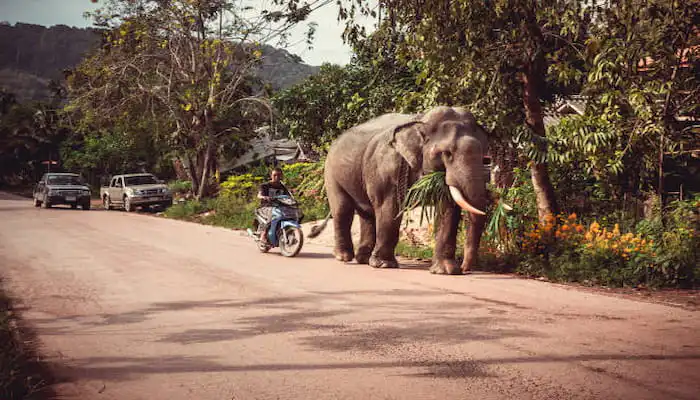
Human-elephant conflict occurs when elephants and people compete for space, food, water, or safe movement routes. It may involve crop damage, destruction of buildings or water systems, injuries, human deaths, and the retaliatory killing of elephants.
Elephants may enter farmland because crops such as rice, maize, bananas, cassava, and sugar cane provide concentrated nutrition. A field can offer more accessible food than a degraded or fragmented forest. However, a single visit from a herd can destroy months of labour and threaten a family’s income.
Communities may respond with lights, noise, firecrackers, fences, trenches, or patrols. More dangerous responses include poisoning, snares, shooting, and poorly installed electric fencing. These encounters can be fatal for both people and elephants.
The problem is especially serious because elephants are intelligent and capable of remembering reliable food and water sources. Simply chasing a herd away may move the problem to another village without addressing its cause.
In Thailand, official reporting cited in early 2026 indicated that wild elephants killed 30 people, injured 29, and were involved in more than 2,000 crop-damage incidents during 2025. Around 800 of the country’s estimated 4,400 wild elephants were reported to live in areas with particularly high levels of conflict.
Coexistence Requires More Than Barriers
There is no single measure that works in every landscape. Effective conflict reduction usually combines:
- Community-based early-warning systems
- Trained local response teams
- Safer crop and food storage
- Carefully designed barriers
- Rapid and fair compensation
- Protection of elephant corridors
- Changes to land-use planning
- Alternative livelihoods linked to conservation
- Monitoring of herd movement
The objective should not be to place the entire burden on rural communities. People living near elephants often carry the financial and physical costs of conserving a species valued nationally and internationally. Long-term coexistence requires practical support, local participation, and policies that protect livelihoods as well as wildlife.
How Is Illegal Wildlife Trade Affecting Asian Elephants?
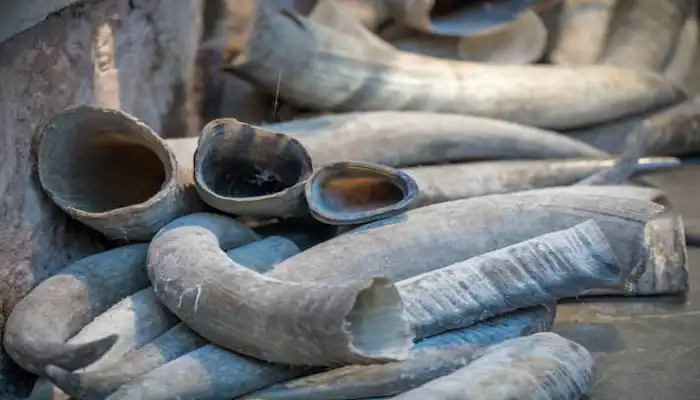
All Asian elephants are listed in CITES Appendix I, which generally prohibits international commercial trade in the species and its parts. Nevertheless, illegal trafficking continues to threaten some populations.
Unlike African elephants, most female Asian elephants and many males do not develop prominent tusks. Ivory poaching therefore often targets a limited number of tusked males. Removing these animals can distort local sex ratios and reduce breeding opportunities in already small populations.
Ivory is not the only concern. Asian elephants may also be killed for skin, meat, teeth, tails, and other body parts. Skin trafficking presents a particular danger because elephants of either sex and almost any age can be targeted.
Illegal capture is another challenge. Wild calves may be removed for tourism, entertainment, private ownership, or trade. Because calves depend on their mothers and extended family groups, capture can harm both the individual and the herd left behind.
Better registration and traceability of captive elephants are therefore important. Weak documentation can make it difficult to distinguish legally held animals from elephants taken illegally from the wild.
How Does Climate Change Intensify Existing Threats?
Climate change rarely acts as a separate problem. Instead, it increases pressure on habitats already affected by development and fragmentation.
Changing rainfall patterns can alter vegetation, seasonal water supplies, and the timing of plant growth. Longer droughts may force elephants to travel farther, while extreme rainfall and flooding can make familiar routes temporarily inaccessible.
These effects are particularly serious when elephants cannot move freely. In a connected landscape, a herd may respond to drought by travelling to another feeding area or permanent water source. In a fragmented landscape, the same movement may require crossing roads, plantations, villages, or national borders.
Recent habitat modelling has identified parts of Thailand, Laos, Cambodia, Vietnam, and southern Myanmar as particularly vulnerable to future habitat loss and fragmentation.
Research has also suggested that habitat projections may be overly optimistic when they consider temperature and rainfall but do not adequately account for the plants elephants eat. When food-plant availability is included, suitable habitat may become smaller and more fragmented under future climate scenarios.
Climate-resilient conservation must consequently protect more than the areas elephants use today. It must also preserve routes through which herds may reach future water sources, feeding areas, and climatic refuges.
Why Does Slow Reproduction Make Recovery Difficult?
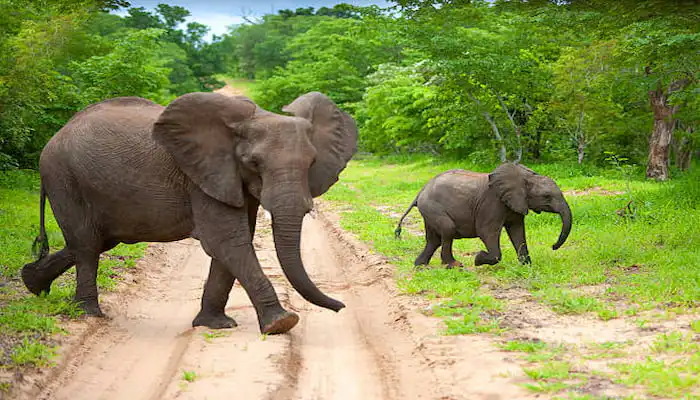
Asian elephants reproduce slowly. Females take years to reach reproductive maturity, pregnancy lasts approximately 22 months, and several years may pass between calves.
Each calf requires a considerable investment from its mother and family group. Young elephants depend on adults not only for milk and protection but also for learning how to find water, identify food, navigate movement routes, and respond to danger.
This means that a population cannot quickly replace elephants lost to poaching, conflict, accidents, disease, or habitat destruction. The death of a mature female may affect more than the current population count because it can also mean the loss of future calves and valuable social knowledge.
Small populations face an additional problem. Even when elephants are physically protected, isolation can reduce access to unrelated breeding partners. Maintaining connectivity is therefore essential for movement and long-term genetic health.
Are Asia’s Elephant Populations Facing the Same Risks?
The overall threats are similar, but their severity varies across the species’ range.
| Region or country | Main conservation pressures |
| India | Extensive human-elephant conflict, infrastructure expansion, railway collisions, and fragmented corridors |
| Sri Lanka | Agricultural expansion, development near protected areas, conflict, and pressure on shared landscapes |
| Thailand | Habitat fragmentation, conflict around forest boundaries, road development, and captive-elephant welfare |
| Myanmar, Laos, and Cambodia | Illegal wildlife trade, habitat loss, limited monitoring, and increasingly isolated populations |
| Vietnam and southern China | Very small and fragmented populations with limited breeding opportunities |
| Malaysia and Indonesia | Plantation expansion, deforestation, infrastructure development, and severe habitat isolation |
India contains the largest wild population and also experiences some of the most extensive human-elephant conflict. Sri Lanka has important populations living both inside and outside protected areas, where development and agricultural expansion continue to affect movement.
Mainland Southeast Asian populations are generally smaller and more fragmented. In Laos, Cambodia, and Vietnam, remaining herds may be isolated and vulnerable to habitat loss and illegal hunting. Myanmar remains important for regional connectivity, but instability, wildlife trafficking, and limited monitoring complicate conservation.
Thailand has a significant wild population as well as a large captive-elephant population. Its conservation challenges therefore include protecting wild habitats, reducing conflict, preventing illegal capture and trade, and improving welfare standards for elephants formerly used in logging, trekking, shows, or other tourism activities.
The Sumatran elephant faces especially severe pressure from deforestation, plantations, roads, and conflict. Conservation plans must therefore be adapted to each population. A strategy suitable for a large Indian landscape may not address the needs of a small, isolated herd in Vietnam or Indonesia.
Why Does Elephant Tourism Remain a Welfare Challenge?
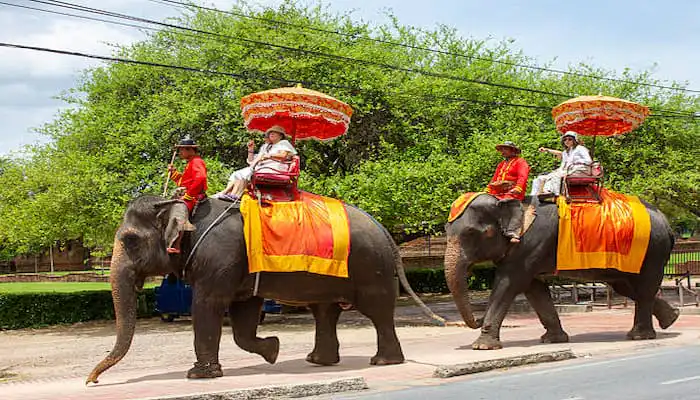
Wild elephant conservation and captive-elephant welfare are different issues, although they are connected through tourism demand, illegal capture risks, and public understanding.
Terms such as “sanctuary,” “rescue centre,” and “ethical experience” are not always regulated consistently. A facility’s name alone does not prove that it follows strong welfare standards.
Visitors should consider what elephants are required to do. Riding, performances, tricks, staged bathing, repeated posing, and tightly controlled interaction can prevent elephants from making their own behavioural choices.
Observation-led tourism places greater emphasis on space, autonomy, social contact, foraging, rest, and the ability to move away from visitors. Our guide to the evolution of observation-led elephant tourism explains how traveller expectations can influence the activities offered by elephant venues.
Sanctuaries do not replace the need to protect wild habitats. Their main role is to provide lifelong care for elephants that cannot safely return to the wild while helping visitors understand welfare, exploitation, and responsible tourism.
What Conservation Measures Offer the Best Hope?
Asian elephant conservation requires coordinated action at several levels.
Connected Habitats Protect Movement
Governments and conservation organisations need to protect existing forests while restoring corridors between them. This may require cross-border agreements, land purchases, community-managed routes, changes to infrastructure, or incentives for landowners.
Understanding elephant migration patterns and movement needs helps explain why an apparently unused strip of forest may become essential during a drought or seasonal movement.
Communities Need Practical Support
People living alongside elephants need early warnings, trained response teams, safer deterrents, compensation, and a meaningful role in local decisions. Conservation is less likely to succeed when communities experience repeated losses without assistance.
Wildlife Crime Requires Cross-Border Enforcement
Illegal trade networks operate across national boundaries. Effective enforcement depends on intelligence sharing, specialised investigations, customs controls, consistent elephant registration, and action against buyers as well as poachers.
Better Research Improves Decisions
GPS tracking, camera traps, genetic analysis, drones, acoustic monitoring, satellite imagery, and community reporting can reveal how elephants use changing landscapes. However, technology must support clear conservation objectives rather than replace habitat protection.
Responsible Tourism Can Change Demand
Travellers can support better welfare by avoiding riding, performances, tricks, and forced interaction. They can also ask how a venue acquired its elephants, whether breeding occurs, how veterinary care is provided, and whether animals can choose when to approach or leave.
Learning about the effects of poaching and habitat loss on elephants can help visitors evaluate conservation claims more carefully.
What Can Individuals Do to Help Asian Elephants?
Individuals cannot solve habitat fragmentation or wildlife trafficking alone. However, personal choices can support broader change.
Travellers can research elephant activities before booking and avoid venues that rely on performances or intensive physical contact. Consumers should never buy ivory or products made from elephant skin, teeth, tails, or other body parts.
Donations are most useful when directed towards transparent organisations working on habitat connectivity, community coexistence, wildlife-crime prevention, scientific monitoring, or lifelong captive-elephant care.
People can also share information carefully. Conflict should not be presented as a simple story of aggressive elephants entering human land. In many cases, both communities and elephants are responding to landscapes transformed by development, habitat loss, and restricted access to resources.
Conclusion
Asia’s endangered elephants face several connected challenges in 2026, but their future is not predetermined. Protecting connected habitats, supporting communities, reducing illegal trade, improving captive-elephant welfare, and choosing responsible tourism can all contribute to meaningful progress. At Samui Elephant Haven, we believe elephants should receive the space, care, and freedom to express natural behaviour. Visitors searching for an ethical elephant sanctuary in Thailand should look beyond labels and support experiences that place elephant welfare ahead of entertainment.
FAQ
Are Asian Elephants Endangered in 2026?
Yes. The Asian elephant remains classified as Endangered. Fewer than 50,000 are estimated to survive in the wild, although there is no single census covering every range country in 2026.
What Is the Biggest Threat to Asian Elephants?
Habitat loss and fragmentation are generally considered the greatest long-term threats. They reduce access to food, water, breeding populations, and movement corridors while increasing contact with people.
Where Do Most Wild Asian Elephants Live?
India supports the majority of the global wild population. Other important populations remain in Sri Lanka, Thailand, Myanmar, Malaysia, Indonesia, and several other countries across South and Southeast Asia.
Why Is Human-Elephant Conflict Increasing?
Conflict increases when farms, settlements, roads, and other developments overlap with elephant habitat and movement routes. Elephants may enter agricultural areas to find food or water, creating risks and financial losses for local communities.
Are Asian Elephants Poached for Ivory?
Yes, although ivory poaching affects Asian elephants differently because most females and many males do not have prominent tusks. Tusked males are particularly vulnerable. Elephants may also be targeted for skin, meat, and other body parts.
How Does Climate Change Affect Asian Elephants?
Changing rainfall, drought, heat, and shifting vegetation can reduce access to food and water. These pressures may force elephants to travel farther and enter human-dominated areas, especially where their habitats are already fragmented.
Can Captive Elephants Be Released Into the Wild?
Release is not suitable for every captive elephant. Animals that have spent many years under human care may lack the skills, health, social group, or safe habitat needed for survival. Responsible sanctuaries instead provide appropriate lifelong care when release is not feasible.
How Can Tourists Support Elephant Welfare?
Tourists can avoid riding, performances, tricks, and forced bathing. They should choose venues that prioritise observation, appropriate space, natural behaviour, transparent care, and the elephant’s ability to move away from visitors.
