
A Turning Point for Thai Elephants
Elephants have been part of Thailand’s story for generations. These remarkable animals have their own personalities, favourite foods and friendships, yet their lives have often been shaped by the work people ask of them. Today, a more hopeful future is taking shape through gentler care for rescued elephants and protection for the forests where wild herds belong.
For travellers choosing an elephant sanctuary in Samui, that future is closer than it might seem. A thoughtful visit can help support a rescued elephant’s daily care and offer a chance to understand her needs. Beyond the sanctuary, healthy forests give wild elephants the food, water and room they need to live well.
The shift away from logging, trekking and entertainment opens the door to a different relationship with elephants. Watching them explore, rest and spend time with companions can be deeply rewarding. It also encourages experiences that respect the animals’ freedom rather than asking them to perform.
The next ten years offer an opportunity to give more elephants safe homes, reconnect forests and support skilled caregivers. Understanding today’s numbers, the costs of lasting care and the people behind conservation helps show what that future needs.
Where Are Thai Elephants Today?
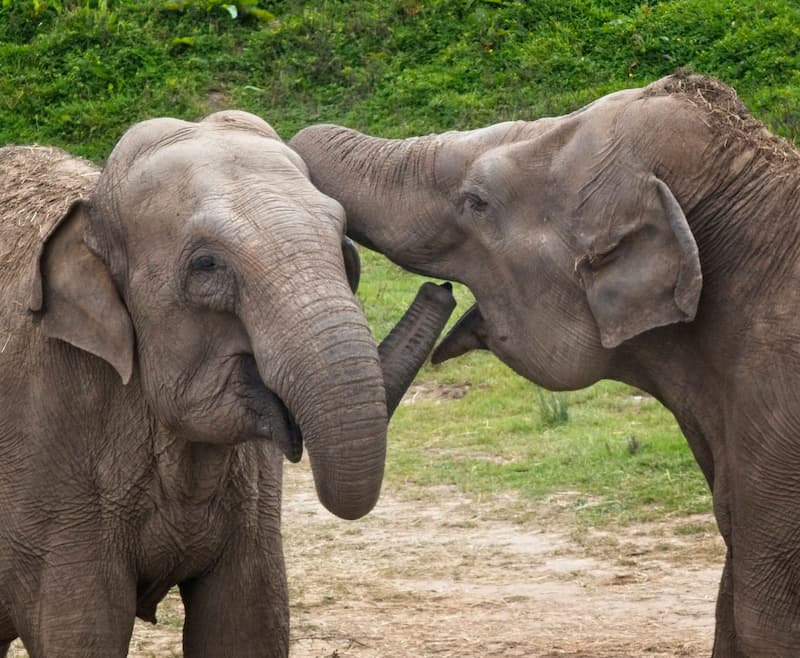
Did you know that Thailand still has thousands of elephants living in the wild? In March 2025, the Department of National Parks, Wildlife and Plant Conservation, known as DNP, estimated 4,013–4,422 wild elephants. There are also broadly 3,000–4,000 captive elephants, with a 2025 veterinary paper citing more than 3,800. Each group needs support in a different way.
Wild elephants live across 16 forest complexes. Their homes include the Western and Eastern forest complexes, Dong Phayayen–Khao Yai, Phu Khieo–Nam Nao and Kaeng Krachan. Although many visitors associate elephants with Thailand’s north and west, wild herds also make their homes in other parts of the country.
Many captive elephants now depend on tourism for their care. World Animal Protection’s January 2026 report looked at 2,849 elephants in 236 tourism venues, visited between February 2024 and January 2025. It offers a window into their lives, although it does not count every captive elephant in Thailand.
Thailand’s Elephant Population at a Glance
| Population or setting | Available figures | Direction of change | Main pressure |
| Wild elephants | DNP estimate of 4,013–4,422, reported in March 2025 | Local increases reported in several forests | Habitat fragmentation and conflict with people |
| Captive elephants | Broad estimate of 3,000–4,000; more than 3,800 cited in a 2025 paper | Surveyed tourism population increased slightly since 2019 | Dependable funding and welfare standards |
| Observation-only tourism settings | Held 7.3% of elephants in WAP’s 2024 assessment, compared with 4.6% in 2010 | A growing share of surveyed elephants | Space, autonomy and suitable care |
| Riding and performance settings | WAP reports riding’s share fell from 92% in 2010 to 43% in 2024 | Less riding, although entertainment continues | Restrictive routines and visitor demand |
Asian elephants remain Endangered on the IUCN Red List. It is encouraging when more elephants are counted in a forest, but those growing families also need enough food, water and room to wander. When their home can no longer meet those needs, they may venture onto farms or into nearby settlements in search of resources.
That can be frightening for families whose homes and crops lie close to elephant routes. Helping wild herds thrive means caring about their neighbours too, so communities can feel safe and supported while living beside these extraordinary animals.
For elephants who have spent their lives working, the hope is different: a safe place to grow older, gentle routines and familiar company. Visits and donations can help provide that continuing care, giving retired elephants a home and supporting the people who look after them.
How Is the Sanctuary Movement Changing Elephant Care?
Some of the loveliest moments with elephants are the simplest. An elephant searches through food with her trunk, exchanges a greeting with a companion or slowly makes her way into the shade.
This change has grown through the dedication of sanctuary founders, mahouts, veterinarians, welfare organisations and caring travellers. The Tourism Authority of Thailand recognised Elephant Nature Park with its Animal Welfare award in 2022. Samui Elephant Haven opened in August 2018, after founder Maew Suriya’s visit to Elephant Nature Park and meeting with Lek Chailert helped inspire his mission.
A Changing Visitor Experience
Travellers have been helping this change along for years. In a global survey reported by World Animal Protection in 2017, around 60% said they would avoid tour operators that failed to prevent wildlife suffering.
There are encouraging signs of change in Thailand too. World Animal Protection’s 2026 reporting describes less riding and a growing share of elephants in observation-only settings. The organisation also helped 13 Thai venues move towards better care since 2017. Sadly, its research still found welfare problems elsewhere, a reminder of the patient work still ahead.
A quiet-looking activity can still be tiring for an elephant if she is repeatedly approached, washed to a timetable or expected to wait for photographs. Giving elephants room to choose where they go and when they rest, alongside companionship and healthcare, makes a visit kinder and more rewarding.
Learning About Elephants as Individuals
At Samui Elephant Haven, supervised feeding, food preparation and walks through the park offer a chance to get to know the rescued elephants. The visits centre on learning and observation, leaving the elephants to enjoy their water and mud in their own time. In place of riding or bathing them, you can discover their personalities and hear the stories behind their rescue.
Every elephant settles into sanctuary life at her own pace. One with an old injury may prefer easier ground and a slower day, while another may take time to feel comfortable around new companions. It also helps explain why arriving at a sanctuary is the beginning of recovery, rather than the end.
An elephant’s rescue story becomes more meaningful when it includes the everyday care that follows. Across Thailand, earning a living through education and care can help more venues leave entertainment work behind.
Why Do Wild Elephants Need Connected Forests?
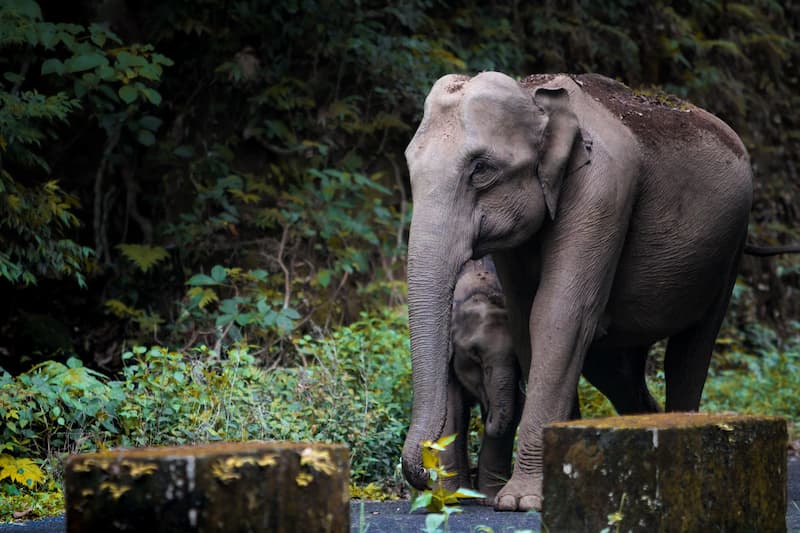
Imagine a familiar route to food or water suddenly being cut off by a busy road. For wild elephants, broken forest connections can create just that difficulty. Corridors are the routes linking one area of habitat to another, allowing herds to move between places that offer food, water and shelter.
IUCN highlights connected habitat and conflict with people as major concerns for Asian elephants. Forest protection therefore reaches into decisions about roads, farms and growing settlements too.
Connecting Forests Across Roads
Along Highway 304, wildlife crossings offer one example of how Thailand is helping reconnect forests. The road runs through the Khao Yai and Thap Lan landscape, separating areas used by wildlife. In February 2026, DNP and highway authorities reviewed the corridor project and reported that animals were continuing to use it.
Of course, a crossing only helps if an animal can reach it and find suitable forest on the other side. The surrounding land needs protection, and the route needs care as roads and nearby activities change. Watching how wildlife uses these crossings helps teams learn what is working. Maintaining them, alongside existing forest links, gives animals a better chance of moving safely between their homes.
Helping Elephants and Their Neighbours Live Safely
Families living beside elephant forests deserve help before an encounter becomes dangerous. DNP has described work on habitat, barriers, monitoring and support for losses. At Kui Buri, True and WWF have worked together using camera traps and AI-assisted alerts to detect elephant movement.
Residents need someone to contact, trained teams need to know how to respond and families need support when crops are damaged. Local people often know the routes elephants use and the farms most at risk. Listening to that knowledge helps conservation become something neighbours can take part in, with their own safety and livelihoods respected.
GPS collars can also help teams learn where elephants travel and which resources they seek. In February 2026, DNP described using this information for habitat planning while ordering the removal of collars whose monitoring purpose had ended. Their comfort and welfare matter throughout that work.
Protection from Poaching and Illegal Trade
Wild elephants also need protection from poaching and illegal trade. IUCN’s 2024 reporting described its support for the CITES Monitoring the Illegal Killing of Elephants programme in Southeast Asia, including Thailand. Behind that long name is the careful work of recording losses and helping guide protection.
A wild elephant’s future is shaped by all of these efforts together: a safe route through the forest, protection from harm and neighbours who have help when they need it. When people can feel secure in their homes and livelihoods, there is a stronger foundation for sharing the landscape with elephants for years to come.
Can Ethical Elephant Tourism Pay for Lasting Care?
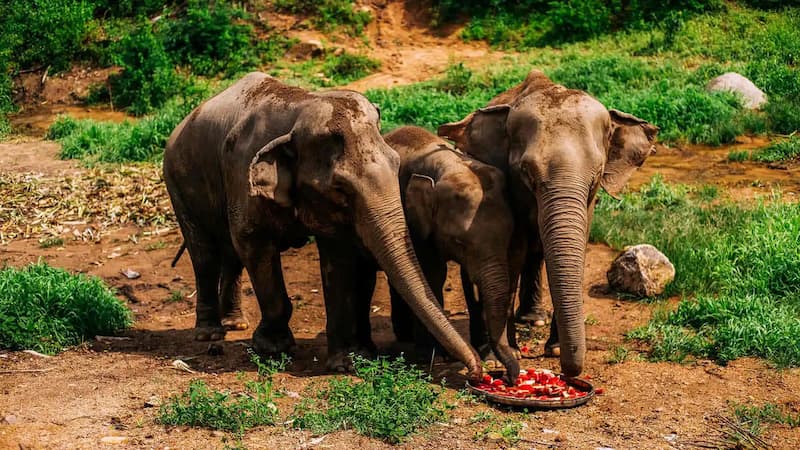
A visit may last a few hours, but the care it helps support continues every day. Thoughtfully planned tourism can give rescued elephants a dependable home through busy seasons, quiet months and unexpected illness. The challenge is to plan carefully enough that the animals can keep receiving what they need when bookings slow down.
How Your Visit Helps Support Care
Our three-hour tour costs 3,000 THB per adult, including return transfers, an English-speaking guide and a vegetarian meal. Part of the ticket helps provide those comforts for your visit, while the experience supports the sanctuary around it. Welcoming you well and caring for the elephants are both part of running a thoughtful sanctuary programme.
Once transport, guiding, meals and booking costs are covered, the income left helps a sanctuary meet its year-round needs. More visitors can help, provided group sizes and schedules still leave elephants comfortable and caregivers with time to care for them.
When income exceeds the cost of visits and ongoing care, it creates room for improvements. That might mean more useful space, better facilities or money set aside for an unexpected need. Education and observation can therefore provide a living for a sanctuary while supporting a kinder home for elephants.
Making an Elephant’s Home Better
Plans for Samui Elephant Haven include expanding the land available to elephants, building a natural water pool, establishing food plantations and providing essential staff accommodation. These are plans that still need financial support. Each has a simple purpose: more room to wander, water to enjoy, a dependable food supply and a stable home for the people caring for the herd.
Making an improvement is only the beginning of looking after it. A pool needs water and maintenance, while a food plantation takes land, labour and time to grow. Planning for that continuing work helps a gift keep giving after the first project is finished.
Welcoming another elephant brings the same need for thoughtful preparation. She needs suitable space, patient introductions, caregivers and a plan for her future care. The journey of a rescued elephant explains how that preparation begins before she travels.
Keeping Care Steady When Visitors Are Away
When COVID-19 stopped international travel, elephant care faced a painful test. Research in northern Thai camps recorded changes in food, staffing and daily routines during that time. The elephants still needed to eat and receive care, even when visitors could no longer come. Looking ahead means preparing for quiet periods so that a temporary loss of bookings need not interrupt their wellbeing.
Regular donations, adoption support and corporate sponsors can help make care more dependable. A partner might support food or a particular improvement, while smaller recurring gifts help with everyday needs. For a larger project, a budget, updates and a plan for upkeep help everyone understand what their kindness is making possible.
Sharing that information also gives visitors confidence in the sanctuary they choose.
How Do I Choose an Ethical Sanctuary?
Choosing a sanctuary should feel reassuring, and a few thoughtful questions can help. These five checks give you a way to learn about the elephants’ lives before you book:
- Look for time to simply enjoy being an elephant. A programme built around observation and learning leaves rides, shows and tourist bathing behind. You can enjoy discovering the animals’ personalities without expecting them to pose or perform.
- Ask how elephants can choose their space. Learn how feeding is supervised and what happens when an elephant walks away. A caring team will let her move on, even if a guest was hoping for another photograph.
- Get to know the elephants’ stories. Their names, backgrounds and care needs help explain why they live at the sanctuary. Where parts of a history are unknown, a thoughtful guide can be open about that too.
- Learn who looks after them. Experienced mahouts, veterinary support and suitable space all help make a dependable home. Asking about older residents and new arrivals gives you a sense of the care ahead.
- Discover what your support helps provide. Look for specific care or environmental improvements, with clear explanations of what is planned and what is already finished. For habitat work, ask which landscape the project supports.
The guide to visiting Samui Elephant Haven helps you plan your time on the island and know what to expect when you arrive.
How Can the Mahout Tradition Be Modernised?
Mahouts, the people who work closely with elephants, have a special place in Thailand’s elephant story. An experienced caregiver comes to know an animal’s habits, preferences and small changes in behaviour. Bringing that knowledge together with gentle training and veterinary care helps keep the tradition alive.
Noticing how an elephant walks, which foods she favours or when she seems quieter than usual takes patience and daily attention. These observations can help a team recognise a care need early.
Building Trust Through Gentle Care
Positive-reinforcement training uses rewards to encourage an elephant’s cooperation. A review of elephant welfare in Thailand recommends this approach to avoid or reduce reliance on the ankus, often called a bullhook. The purpose is to help with everyday care in a safer, calmer way.
Mahouts benefit from suitable facilities, experienced guidance and a close relationship with veterinary professionals. A familiar routine can be especially helpful for an elephant who has known difficult handling.
When a new elephant arrives, her caregiver begins by learning about her responses and introducing routines gradually. Sharing observations with colleagues helps everyone understand what comforts her and what causes concern. That knowledge becomes part of her care plan.
Caring for the People Behind the Herd
People can give their best care when they are cared for too. Fair wages, rest, safe working conditions and chances to learn help skilled mahouts stay in the profession. Research also connects mahout wellbeing and good relationships with better elephant welfare.
At Samui Elephant Haven, staff support includes fair working conditions, benefits and on-site housing. Helping caregivers feel secure supports continuity for the elephants who know them. During your visit, following their guidance is a lovely way to support that work. It gives them room to adjust an activity if an elephant needs a little more space, rest or reassurance.
The rewards of patient care can be quiet: an elephant moving more comfortably with an old injury, or feeling more confident beside a trusted companion. Giving attention to health, comfort and relationships throughout an elephant’s life helps her enjoy the years ahead.
What Could the Next 10 Years Look Like?
Looking towards 2036, a hopeful future means more elephants living comfortably, dependable care and forests that remain connected. Thailand already has experience to build on, from facility standards to wildlife crossings and carefully planned returns to forest life. Progress will matter most in the everyday lives it improves.
Making Good Care Easier to Recognise
Thailand already has TAS 6413-2021, Good Animal Practices for Elephant Facility. The standard covers how facilities are run, staff, elephant health and welfare, the environment, visitor safety and records. The Department of Livestock Development, or DLD, has also reported the start of licensing and certification for elephant camps.
For visitors, standards are most helpful when they are easy to understand. A sanctuary can explain what its certificate covers, how it is checked and which activities guests will enjoy. Facility standards and a no-riding policy are different things, so a certificate may still allow riding.
Clearer information in the coming years could help travellers choose kindly and give venues more support to improve their care. Independent checks can consider an elephant’s whole day, including time away from visitors, and follow up on changes.
When a Return to Forest Life Is Possible
For some elephants, a future in a forest environment is possible. Thailand’s Elephant Reintroduction Foundation began its programme with three elephants released at Doi Pha Muang Wildlife Sanctuary in January 1997. Returning an elephant to forest life takes careful preparation, with her individual needs guiding the decision from the start.
An elephant’s health and behaviour, the receiving forest and nearby communities all need consideration. There must be enough food, water and room for the animals, along with a team ready to follow their adjustment. If an elephant struggles, she needs help. Thoughtful planning makes reintroduction a continuing commitment to her wellbeing, with care reaching beyond the day of release.
For many retired working elephants, a sanctuary remains the most suitable lifelong home. Whether that is managed forest living or a safe sanctuary, leaving entertainment behind gives her the chance to live with greater comfort and freedom.
Preparing for a Changing Climate
Water, shade and food become especially precious when the weather changes. WWF identifies freshwater, connected habitat, invasive plant management and health monitoring as priorities for Asian elephants facing climate change. Wild herds need routes to resources as conditions shift. Sanctuaries need reliable supplies, useful shade, food production and plans to keep caring for their residents through difficult weather.
The guide to climate adaptation for elephant habitats explores what these changes can mean for elephants. Planting and water projects need to suit the local landscape and be cared for over time. A well-maintained improvement can keep helping through dry months and extreme weather.
Education Beyond the Sanctuary Gates
A caring choice can begin long before someone reaches a sanctuary. Guides, schools, hotels and booking platforms can help travellers learn about elephants and recognise thoughtful experiences. Explaining how sanctuary care differs from protecting wild herds also helps people choose the work they wish to support, with a clearer sense of where their kindness goes.
How Can You Help Thailand’s Elephants Today?
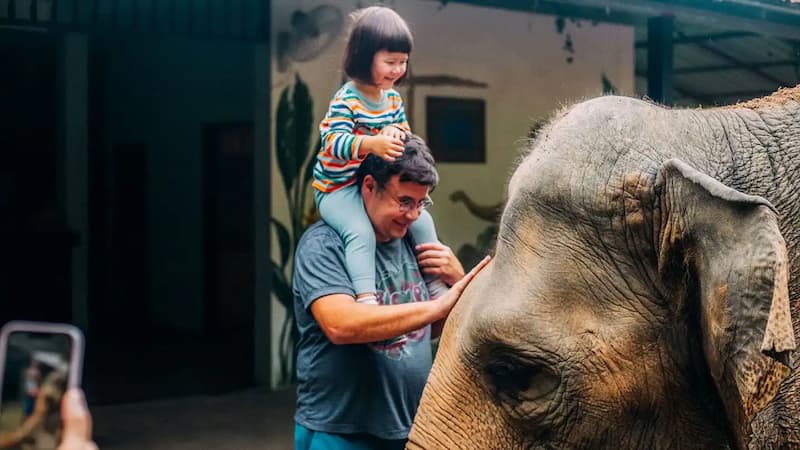
There are many ways to be part of a better future for Thailand’s elephants. A responsible visit, a regular gift or an honest conversation with another traveller can all help. Start with the questions above and choose a way of supporting elephants that feels meaningful to you.
During a visit, give yourself time to listen and observe. Ask about the elephants’ stories, the foods they enjoy and how the team adapts care for each individual. Following safety guidance and leaving room for them to move helps everyone enjoy the experience comfortably.
Afterwards, sharing your experience can help the next visitor choose kindly. Describe what you learned, how guides cared for the elephants’ comfort and how the animals spent their time.
If you would like to donate, think about the part of an elephant’s future that you feel drawn to support. Daily sanctuary care, reforestation, water projects and mainland forest corridors each help in different ways. Learning where a project takes place and what it hopes to achieve makes the choice easier.
These ways to support elephant care include adoption, welfare donations and elephant cakes. Adoption brings updates and photographs, helping you keep a connection with the elephant whose care you support. Gifts can also contribute towards our planned improvements to land, water and food provision.
You can carry that care into the rest of your travels by avoiding ivory and wildlife products and encouraging responsible experiences. Whether you join us here on Samui or support from home, there is a place for you in this story.
Conclusion
At Samui Elephant Haven, we believe a hopeful future begins with getting to know elephants and caring about the lives they lead. Safe forests give wild herds room to roam, while a loving sanctuary home helps rescued elephants enjoy comfort, companionship and patient care. Through our elephant sanctuary in Samui, we warmly invite you to meet these remarkable animals, learn their stories and join us in helping them live with care, respect and freedom.
